Paving Ideas for Modern Australian Homes
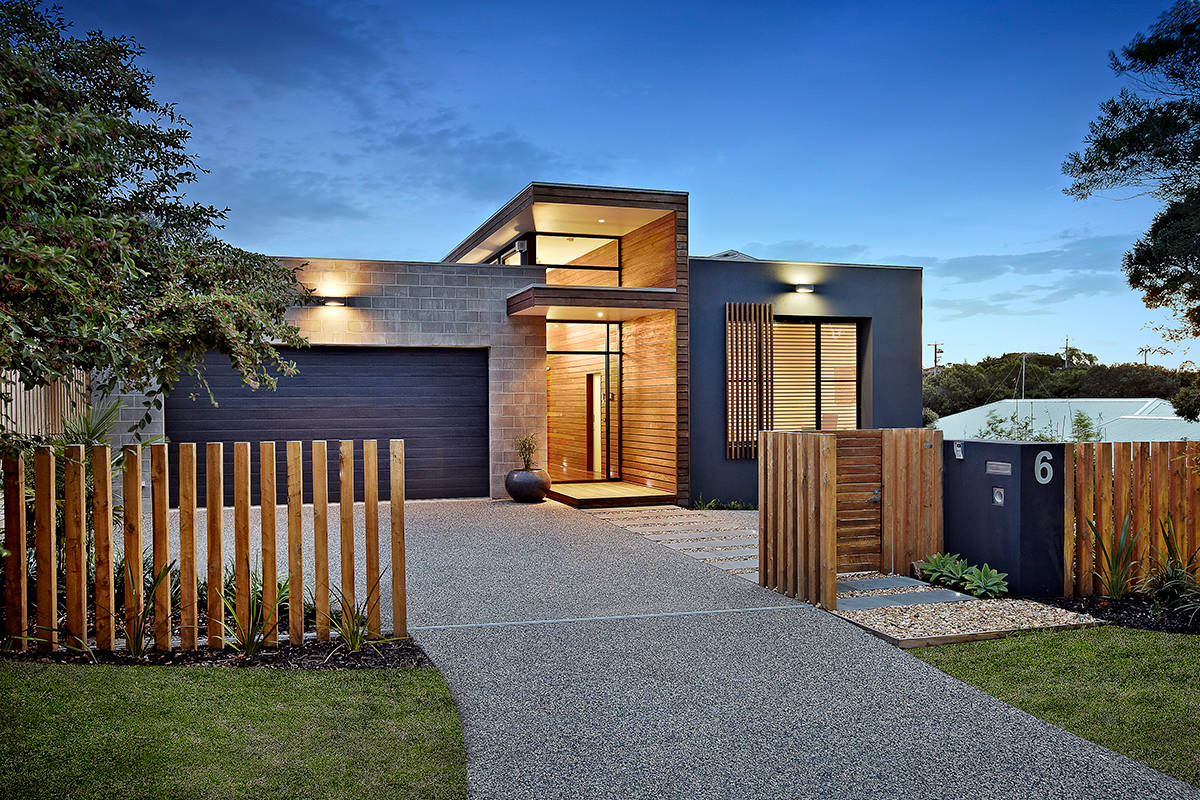
The exterior of a home plays a crucial role in defining its style, functionality, and overall curb appeal. Modern Australian homes, in particular, often combine sleek lines, open spaces, and natural materials, making the choice of paving a key design decision. Whether you’re renovating an existing space or designing a new build, the right paving can elevate your home’s aesthetic, improve outdoor usability, and add long-term value.
Why Paving Matters
Enhancing Curb Appeal
Paving immediately affects the first impression of your home. Clean, well-designed pathways, driveways, and patios complement architectural features, landscaping, and outdoor furniture. For modern homes, paving that reflects minimalism, uniformity, or bold geometric patterns can create a sophisticated and contemporary look. Even simple design choices, such as contrasting textures or colours, can dramatically improve visual appeal.
Practicality and Functionality
Beyond aesthetics, paving provides a durable, low-maintenance surface for walking, entertaining, and vehicle use. Choosing materials that withstand Australia’s varied climate—intense sun, heavy rain, and occasional frost—is essential for longevity and safety. Slip-resistant finishes, permeable surfaces, and heat-tolerant materials contribute to a functional and practical outdoor space. Thoughtful paving layouts also help with drainage, reducing water pooling and erosion in outdoor areas.
Property Value
High-quality paving is not just decorative; it’s an investment. Well-installed, stylish paving can increase property value and appeal to potential buyers, particularly in metropolitan areas like Sydney, Melbourne, or Brisbane where outdoor living is highly valued. Beyond resale value, paving also enhances your daily living experience, turning your backyard into an inviting space for family gatherings or quiet relaxation.
Popular Paving Materials for Modern Homes
Natural Stone Pavers
Natural stone, including travertine, limestone, and sandstone, remains a popular choice for contemporary Australian homes. Stone pavers Perth offer a timeless, high-end look and are available in a variety of textures and colours. Travertine, for example, is prized for its subtle veining and natural anti-slip properties, making it ideal for pool surrounds and patios. Stone also withstands heavy foot traffic and age gracefully, developing a patina that enhances its natural beauty over time.
Concrete Pavers
Concrete pavers provide versatility, durability, and affordability. They can be poured, stamped, or coloured to mimic natural stone, creating geometric or minimalist designs that suit modern architecture. Interlocking pavers also offer flexibility and easy replacement if a section becomes damaged. Advances in concrete finishes now allow for polished, textured, or exposed aggregate surfaces, giving homeowners plenty of creative options.
Porcelain Pavers
Porcelain pavers are gaining popularity for their sleek finish and low-maintenance characteristics. Highly resistant to stains, fading, and water absorption, porcelain is perfect for patios, outdoor kitchens, and rooftop terraces. Its contemporary appeal works well with modern design elements like glass balustrades or metal furniture. Porcelain also allows for large-format paving, creating uninterrupted surfaces that visually expand outdoor areas.
Timber and Composite Decking
Although technically not paving, timber and composite decking can complement paved areas to create visual contrast and warmth. Decking works well for modern outdoor entertaining zones, combining practicality with a natural aesthetic. It also allows for seamless integration with landscaping, providing a smooth transition between paved surfaces and garden or lawn areas.
Paving Styles to Consider
Geometric Patterns
Modern design often emphasises clean lines and geometric shapes. Rectangular or square pavers arranged in herringbone, basketweave, or linear patterns create a striking, contemporary look. Mixing paver sizes can add visual interest while maintaining minimalism. Geometric patterns can also guide movement through the outdoor space, directing attention to features like pools, gardens, or seating areas.
Large Format Pavers
Oversized pavers give an outdoor space a modern, open feel. Large-format stone or concrete slabs reduce grout lines, creating a sleek, uninterrupted surface ideal for patios, pathways, and pool surrounds. Large pavers also provide a sense of luxury and spaciousness, making smaller yards feel more expansive.
Mixed Materials
Combining different paving materials can add depth and contrast. For example, natural stone pathways paired with concrete driveways or timber decking can create distinct zones within an outdoor space while maintaining cohesion through complementary colours and textures. Mixing materials also allows homeowners to balance aesthetics with functionality, using durable materials in high-traffic areas and decorative options in focal points.
Patterned or Textured Surfaces
Embossed or textured pavers provide both aesthetic appeal and practical benefits like slip resistance. Subtle patterns can enhance visual interest without clashing with the minimalist style of modern homes. Textured surfaces also help in outdoor areas that experience rain, keeping pathways safe and accessible.
Tips for Choosing Paving for Your Modern Australian Home
Consider Climate and Maintenance
Australia’s climate can be harsh on outdoor surfaces. Choose paving materials that withstand UV exposure, heavy rain, and temperature fluctuations. Low-maintenance options reduce long-term upkeep, while heat-reflective materials keep surfaces cool underfoot. For example, travertine stays cooler in direct sun compared to darker concrete, making it ideal for poolside areas.
Harmonise with Landscaping
Paving should complement your garden, lawn, and outdoor features. Neutral tones often pair well with greenery, while bold colours or patterns can create focal points. Consider integrating pavers with gravel, mulch, or native plants for a natural, balanced look. Proper integration enhances both visual appeal and functionality, ensuring that pathways, patios, and driveways feel like part of a cohesive outdoor design.
Plan for Functionality
Identify the primary use of the paved area—whether it’s a driveway, entertaining space, or poolside deck. This informs choices regarding durability, slip resistance, and size. For high-traffic areas, stronger pavers and practical layouts ensure long-lasting performance. Incorporating gentle slopes for drainage and wider paths for accessibility further improves practicality.
Focus on Flow and Connectivity
Pathways and patios should connect seamlessly with your home, garden, and outdoor amenities. Curved or straight paths, level surfaces, and defined edges enhance usability and create a cohesive outdoor layout. Clear visual pathways also improve movement through your outdoor space, making it both functional and aesthetically pleasing.
Budget Wisely
Paving costs vary widely depending on materials, design complexity, and installation methods. Allocate a budget that balances aesthetic appeal with functionality, ensuring you get value without compromising quality. Consider long-term maintenance and replacement costs to make a fully informed decision.
Conclusion
When planning your paving, consider durability, maintenance, climate, and overall cohesion with your home and landscape. Thoughtful design ensures that your paved areas not only enhance your property’s beauty but also support practical outdoor living for years to come. By selecting the right materials and design, your paving can transform your backyard, driveway, or patio into a stylish, modern, and functional extension of your home. With the right approach, paving becomes more than a surface—it becomes a statement that reflects your home’s character and your lifestyle.
:strip_icc()/BEHR_25.03_COLORTRENDS_TC_LIV_101c-38834c32890e4cae975ce7030623f632.jpg "Transform Your Home: Top Residential Painting Trends for 2026")