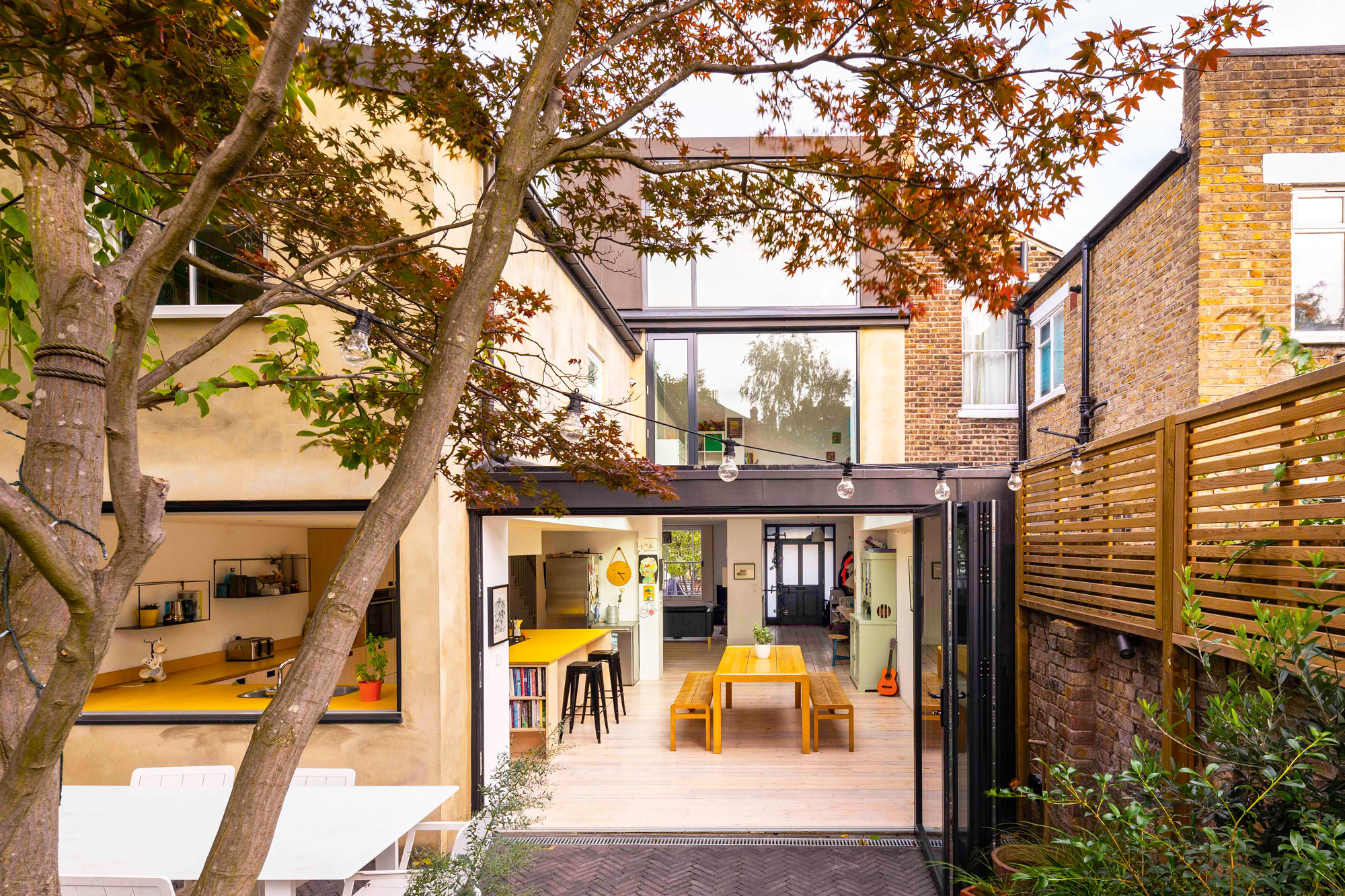
What’s Driving Modern Farmhouse Builds: Structural Trends for Wide Open Interiors

The modern farmhouse aesthetic has taken off across Australia for good reason. It feels relaxed without being rustic and suits our climate well, with deep eaves, airy living spaces, and a strong indoor-outdoor connection. Behind the white weatherboards, black steel accents, and soaring ceilings, however, sits a very practical challenge. These homes often rely on large open-plan spans and high, sometimes vaulted, ceilings that demand careful structural planning.
If you are planning a new build or a major renovation, understanding how structure supports the look can help you make smarter decisions early, before budgets are squeezed by late-stage changes.
Why Modern Farmhouse Designs Push the Structure
Traditional farmhouses were typically divided into smaller rooms with repeated framing. Modern farmhouse designs turn that approach around, favouring expansive kitchen-living-dining zones, wide openings to alfresco areas, and fewer internal walls to help carry loads. Add raked ceilings and exposed beams, and the roof structure suddenly needs to span further with fewer supports.
The look may appear simple, but the loads are not. Roof weight, wind uplift, and the stiffness needed to avoid bounce or sag all increase as spans grow. As openings get larger, controlling deflection becomes critical, as even minor movement can crack plasterboard, distort doors, or lead to uneven floor finishes.
This is why engaging a structural engineer Perth early can make the difference between achieving a clean, open design and having the layout repeatedly “value engineered” into something smaller and more compartmentalised.
Trend 1: Wider Open-Plan Spans with Fewer Posts
Modern farmhouses commonly aim for a single uninterrupted living zone, often spanning 8-12 metres, particularly where the main living area runs parallel to the backyard. Achieving this without numerous posts usually involves one or more of the following approaches:
- Engineered timber members such as LVLs or glulam beams that span further than standard framing timber
- Steel beams concealed within bulkheads or ceiling zones
- Portal frames where walls and beams act together to resist wind and roof loads
The decision is rarely a simple choice between steel or timber. It depends on beam placement, how loads connect into roof framing, and how forces transfer through posts, walls, or columns into the footings.
Trend 2: Vaulted Ceilings and Raked Rooflines
Vaulted ceilings create a striking sense of space, but they significantly change how a roof behaves structurally. Conventional trussed roofs are efficient because the bottom chord ties the structure together. Removing that tie to achieve a raked ceiling can allow outward thrust on walls unless the roof is redesigned.
Solutions may include ridge beams, scissor trusses, or structural ties concealed above the ceiling line. Where exposed rafters or feature beams are desired, those elements often need to perform structural work, meaning they are sized for stiffness and strength, not just appearance.
A residential structural engineer helps align ceiling design intent with structural reality, avoiding bulky elements where clean lines were expected.
Trend 3: Big Doors, Big Openings, Big Consequences
Stacker doors, corner sliders, and oversized glazing are hallmarks of the modern farmhouse style. They also remove bracing and reduce the wall area available to resist wind loads.
In Perth and across WA, wind design is a genuine consideration, particularly on exposed or semi-rural sites. Large openings often require steel lintels, engineered posts, or redistributed bracing elsewhere in the plan, sometimes concealed within nib walls, pantries, or garage areas.
Where projects include home workshops, sheds, or rural-style outbuildings alongside the main dwelling, a commercial structural engineer can help ensure wider spans and taller openings perform as intended without unnecessary overdesign.
Trend 4: Hybrid Materials That Look Effortless
A popular modern farmhouse look pairs warm timber with crisp steel details, such as black brackets, straps, or slender beams. Structurally, these hybrid systems can be very efficient, but only when connections are carefully detailed.
Steel-to-timber connections must accommodate moisture movement, differential expansion, and potential corrosion, particularly in coastal environments. Good detailing keeps water away from fixings, allows timber to move naturally, and avoids creating thermal bridges that can lead to condensation.
This is where design engineering Perth thinking adds value. Structure and architecture work best when coordinated from the start, preventing boxed-out surprises later.
Trend 5: Stiffness, Not Just Strength
Homeowners often ask whether a beam is strong enough. Engineers also assess whether it is stiff enough. Long spans may meet strength requirements but still feel springy or show visible sag over time. Deflection control and vibration performance matter, particularly under tiled floors, stone benchtops, and raked ceilings where movement is more noticeable.
Deeper beams, better load sharing, or discreet additional supports can significantly improve comfort and reduce long-term maintenance issues.
Construction Realities: Sequencing and Tolerances
Large-span homes are often less forgiving during construction. Temporary propping, installation sequence, and straightness tolerances become more critical when fewer elements carry greater loads. Delays in installing bracing or tie-downs can create problems if severe weather occurs mid-build.
Reliable structural engineering services go beyond calculations. They include clear details, buildable drawings, and practical solutions that trades can follow without guesswork.
Maintenance and Peace of Mind: Check the Structure Over Time
Even well-designed homes evolve. Soil moisture changes, drainage is altered, and renovations add loads in unexpected places. If you are buying a property with large spans, prominent ceiling lines, or previous alterations, arranging structural inspections can help identify early signs of movement, undersized members, or unsupported modifications.
Inspections are also valuable before adding solar panels, replacing heavy roof materials, or removing internal walls, all common upgrades that affect load paths in open-plan homes.
Final Thoughts
Modern farmhouse design looks effortless because the structure is working quietly in the background. The most successful projects treat structural decisions as part of the aesthetic, determining where beams sit, how openings are framed, and how rooflines are supported without visual clutter.
If you want expansive, light-filled interiors and soaring ceilings that remain comfortable and crack-free, involving the right engineering team early helps ensure your layout, materials, and budget work together from the very beginning.