Evaluating the Value of Smart Home Technology in New Developments
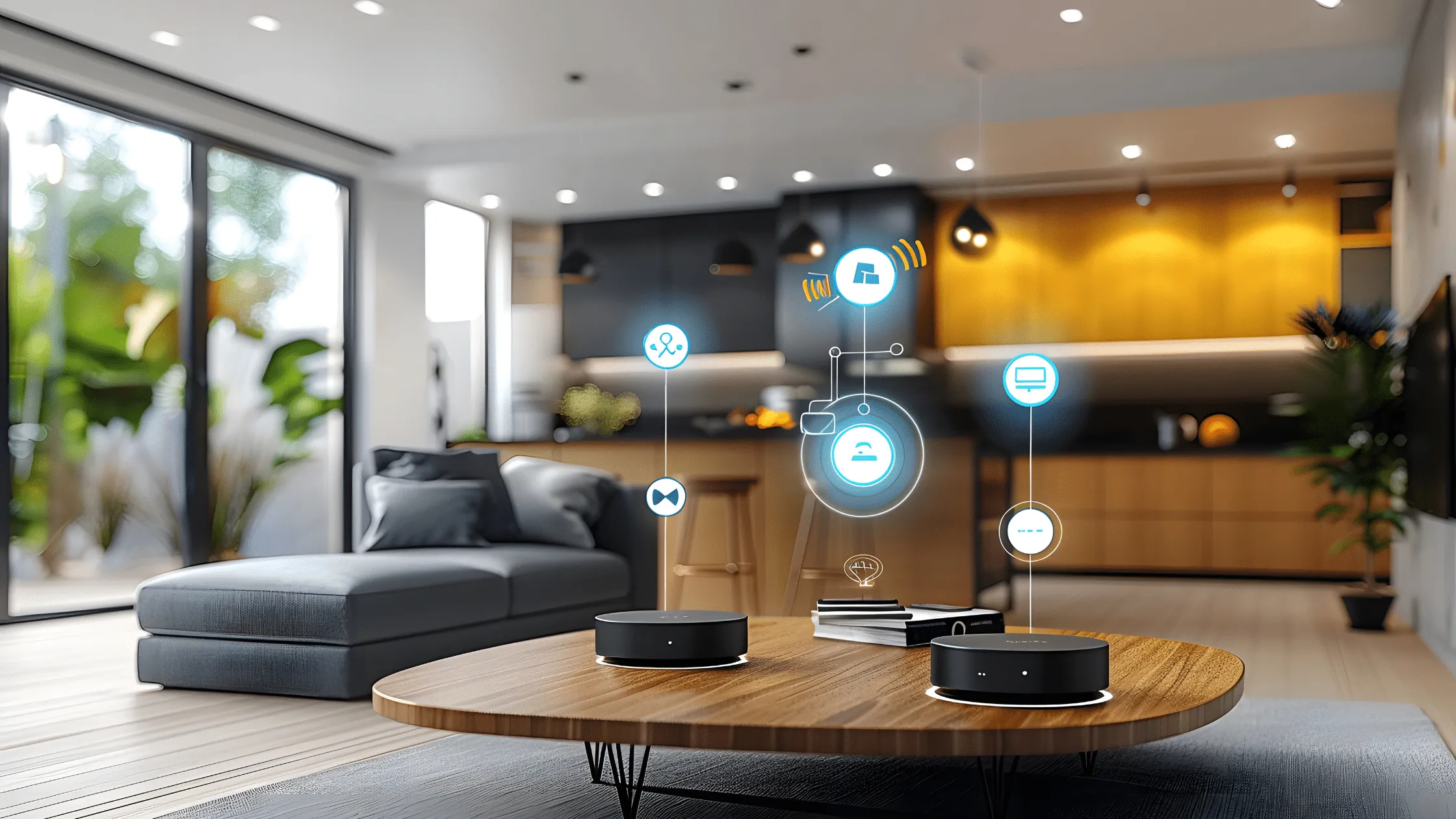
Smart-home features have moved from novelty to a common selling point. Digital locks, app-controlled air-conditioning, video doorbells and remote lighting can make a new home feel modern before the furniture arrives. The real question is whether those features remain useful after the first few months.
Technology adds value when it solves a recurring problem without making the home harder to operate. Buyers should therefore judge smart systems by reliability, compatibility and replacement options rather than by the number of connected devices listed in a brochure.
Useful automation starts with ordinary routines
A digital lock can remove the need to carry keys. Remote air-conditioning control can help residents cool a room before arriving home. These are simple benefits that are easy to understand and likely to be used regularly.
When buyers review Dorset Gardens, any eventual smart-home package should be checked against the official specification rather than assumed from market trends. The strongest features will be those that fit everyday city living without requiring residents to manage several apps for basic household functions.
Ask what happens when the technology ages
A home may last for generations, while consumer technology can feel old after five years. Buyers should find out whether devices use common standards, whether parts can be replaced independently and whether ordinary manual controls remain available if a smart component fails.
This matters especially for built-in systems. A light switch that still works without an app is less risky than a feature that becomes useless if a cloud service closes. Good smart design gives residents additional control without taking away simple alternatives.
Security deserves more than marketing language
Connected locks, cameras and sensors handle sensitive information. Buyers should ask how accounts are secured, whether access can be reset when ownership changes and what data is stored outside the home.
Convenience should not require careless password habits. Residents can improve security by using strong, unique passwords, enabling available authentication features, and updating devices when supported. Technology is just a part of the system – the behavior of the household still counts.
Family households may value different functions
For households considering Clovelle of Woodlands, practical functions may be more valuable than flashy automation. Families might appreciate visitor access controls, energy monitoring or remote checks more than color-changing lights controlled from a phone.
The benefit also depends on who lives in the unit. Older relatives or young children may need controls that remain obvious and tactile. A smart home should not require every resident to be comfortable with technology just to operate lights, doors or cooling.
Do not confuse smart devices with lower bills
Some systems can help residents monitor energy or schedule equipment, but installing connected devices does not automatically reduce electricity use. Saving depends on the behavior of people and whether or not the system actually alters consumption.
Buyers interested in operating costs should focus on efficient appliances, shading, ventilation and sensible habits alongside smart controls. Technology can make information easier to see, but it cannot compensate for an inefficient building or wasteful usage.
Think about resale and handover
A future buyer may like the smart features, ignore them or prefer another ecosystem entirely. Systems that are easy to reset and replace are therefore more resale-friendly than highly customized setups tied closely to one owner’s accounts.
Before selling or renting, owners should be able to remove personal data and transfer control cleanly. This is another reason to value open, understandable systems. The easier the handover, the less likely smart technology becomes an inconvenience during the next transaction.
Common-area technology matters as well
Smart features are not limited to the unit. Parcel lockers, visitor management, lift access and energy-efficient common-area controls can influence daily convenience across the whole development.
These systems should be judged by the same standard as in-home devices: are they reliable, easy to use and supported over time? A complicated access system that regularly fails can create more frustration than the convenience it was meant to provide.
Conclusion
Smart-home technology is most valuable when it quietly removes friction from daily life. Reliable access, simple automation and useful monitoring can improve a home, but novelty alone is a weak reason to pay a premium.
Buyers should ask how the system works without the app, how components are replaced and whether the features suit everyone in the household. A genuinely smart home is not the one with the most connected devices; it is the one that remains easy to live in as technology changes.