Vinyl vs. Fiberglass vs. Aluminum Windows: Which Is Best for Bay Area Homes?
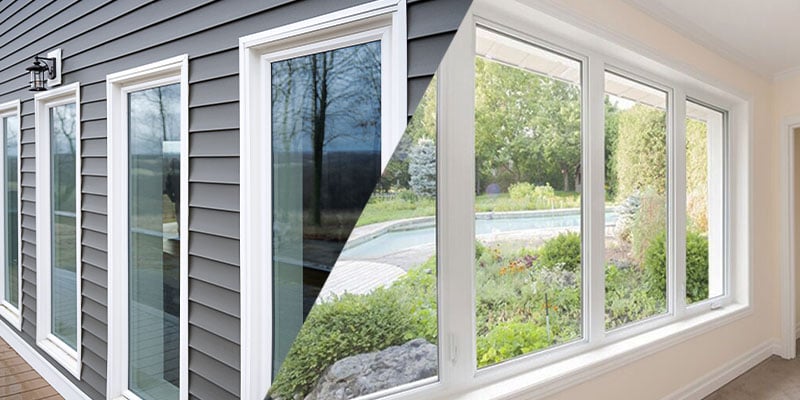
Choosing a window frame material usually comes down to a few practical questions: how much you want to spend, how much maintenance you want later, what kind of frame profile suits the house, and how much heat transfer you are willing to accept.
Vinyl, fiberglass, and aluminum can all work well in residential applications, but they do not behave the same way. For homeowners comparing replacement windows, the frame material is only one part of the decision. Glass type, coatings, spacers, installation quality, U-factor, and Solar Heat Gain Coefficient also affect how the finished window performs.
Vinyl windows
Vinyl is widely used because it offers a useful mix of affordability, insulation, and low maintenance. The material does not need regular painting, and it does not conduct heat as readily as aluminum.
Many vinyl frames use hollow chambers that can improve insulation and allow for reinforcement. Higher-quality vinyl windows may also include stronger internal support, better weatherstripping, and more durable finishes.
The tradeoff is that vinyl frames are often thicker than aluminum frames, which can slightly reduce visible glass area. Color and finish choices may also be more limited, depending on the manufacturer.
Price is one of vinyl’s biggest advantages. For many homeowners looking for replacement windows, vinyl provides solid thermal performance without moving into the higher price range often associated with fiberglass.
Fiberglass windows
Fiberglass frames are strong and dimensionally stable, with relatively little expansion and contraction as temperatures change. Those properties give manufacturers more flexibility when designing narrower profiles and larger window units.
Some fiberglass windows can also be painted, which appeals to homeowners who want more control over interior or exterior finishes. Maintenance is still relatively low compared with wood.
Fiberglass typically costs more than vinyl. The higher price may make sense for homeowners who place more value on rigidity, frame appearance, larger openings, or specific finish options.
Thermal performance is generally good, but it should still be judged by the complete window rather than the frame material alone. Two fiberglass windows from different manufacturers may have very different U-factor or Solar Heat Gain Coefficient ratings.
Homeowners researching energy-efficient windows should compare the full NFRC label for each product instead of relying on material claims.
Aluminum windows
Aluminum’s strength allows manufacturers to build slim frame profiles around relatively large areas of glass. That appearance is one reason the material remains common in modern and contemporary architecture.
The material also resists rot and requires relatively little upkeep. Its main limitation is thermal conductivity. Aluminum transfers heat more readily than vinyl or fiberglass, so frame design plays a larger role in overall energy performance.
Modern aluminum windows may use thermal breaks, which place a less-conductive material between the interior and exterior portions of the frame. This reduces heat transfer and can improve efficiency.
For homes where narrow sightlines and large glass areas are a priority, aluminum may be worth considering. In hot inland locations, it makes sense to pay close attention to the product’s U-factor and Solar Heat Gain Coefficient before deciding.
How the materials compare
| Factor | Vinyl | Fiberglass | Aluminum |
| Typical cost | Usually lower | Usually higher | Varies by system |
| Thermal performance | Generally good | Generally good | More dependent on thermal-break design |
| Maintenance | Low | Low | Low |
| Frame profile | Often thicker | Can be relatively slim | Often very slim |
| Finish options | Product-dependent | Often broader | Product-dependent |
| Large openings | Product-dependent | Well suited | Well suited |
For homeowners planning window replacement in Livermore, CA, summer heat deserves particular attention. A low U-factor helps reduce heat transfer through the window assembly, while Solar Heat Gain Coefficient measures how much solar heat enters through the glass.
A lower SHGC can be useful on windows that receive strong sun, especially on west- and south-facing exposures. The appropriate rating depends on the home, orientation, shading, and glass package.
A Bay Area window replacement project can also involve very different conditions from one city to another. Coastal areas, inland valleys, and shaded neighborhoods do not place the same demands on windows.
Which material makes sense for your home?
Vinyl is usually the practical choice for homeowners who want a lower upfront cost, little maintenance, and good insulation.
Fiberglass deserves a closer look when frame strength, finish flexibility, or a slimmer appearance carries more weight than keeping the initial cost as low as possible.
Aluminum fits homes where narrow frames, larger glass areas, or a contemporary look are priorities. In warmer locations, compare thermally improved products and confirm the full window ratings before buying.
The brand and product line still make a difference. A well-built vinyl window can outperform a lower-quality fiberglass window, and a thermally broken aluminum window can perform much better than an older aluminum design.
Before choosing, ask for the exact U-factor, SHGC, glass type, frame construction, warranty terms, installation method, and installed price for each option. Those details make product comparisons more useful than material labels alone.
FAQs
Are fiberglass windows better than vinyl windows?
Not in every case. Fiberglass offers greater rigidity and may provide more finish options, while vinyl is usually less expensive and offers good insulation. The better choice depends on the specific products, budget, and design requirements.
Are aluminum windows energy efficient?
They can be. Aluminum conducts heat readily, but modern frames may use thermal breaks to reduce heat transfer. Compare the complete window’s U-factor and SHGC rather than judging it by frame material alone.
Which window material lasts the longest?
There is no single lifespan that applies to every product. Frame quality, hardware, glass seals, sun exposure, installation, and maintenance all affect how long a window remains in good condition.
What window material is best for hot California weather?
Vinyl and fiberglass both have low thermal conductivity. Aluminum can also work well when the frame includes an effective thermal break. Glass coatings and SHGC are especially important in areas with strong sun exposure.
Is fiberglass worth the extra cost over vinyl?
It can be if you want more rigidity, certain finishes, or a narrower frame profile. If budget and low maintenance are the main priorities, vinyl may offer better value.
Need help comparing actual window products?
Landmark Exteriors can help you compare frame materials, glass packages, performance ratings, and installation options based on your home and budget. We offer free in-home consultations and work with established window manufacturers, so you can review specific products before making a decision.