Why Philadelphia’s Older Homes Experience Uneven Heating and What It Reveals About the HVAC System
A Philadelphia rowhouse can be warm in the living room and noticeably colder one floor up. That kind of uneven heating is common in older homes, and it usually says something useful about the house or the HVAC system. Sometimes heat is escaping through old windows or thin insulation. In other cases, the system simply isn’t moving enough warm air to the rooms that need it.
Older Homes Were Not Built Around Modern HVAC
Many Philadelphia homes were built long before central heating and air conditioning became standard. Over the years, owners added furnaces, boilers, ductwork, vents, and insulation wherever space allowed.
That history is important.
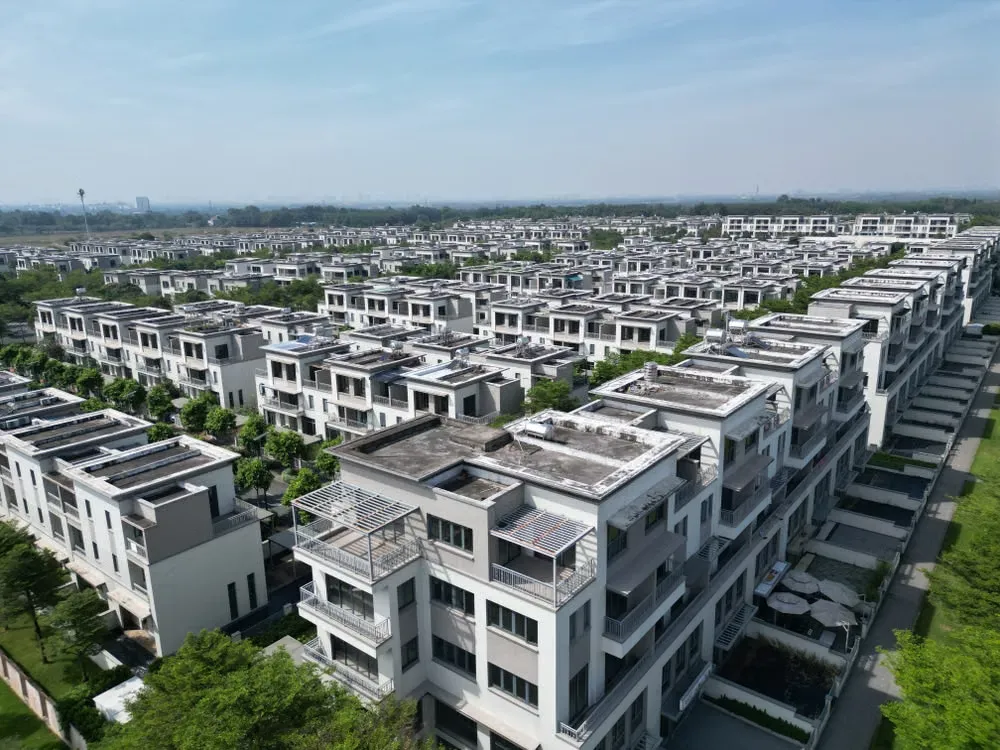
Older rowhouses often have narrow floor plans, several levels, thick masonry walls, and limited space for ductwork. A heating system may work perfectly well in one part of the house while struggling to serve another.
Common trouble spots include:
- Drafty windows or exterior doors that leak warm air
- Attics with too little insulation
- Ducts squeezed through tight wall or ceiling cavities
- Rooms located far from the furnace
- Closed, blocked, or poorly balanced vents
One thing technician see often is a comfortable first floor and a stubbornly cold rear bedroom. The furnace gets blamed first, but airflow or insulation may be the real problem.
What Cold Rooms Can Tell You About the System?
Uneven temperatures are useful clues. They can point toward problems that are easy to miss when the furnace still turns on and produces heat.
| What You Notice | What It May Suggest |
| One vent barely moves air | Duct blockage, leakage, or poor balancing |
| Furnace seems to run all evening | Heat loss or an undersized system |
| Upstairs gets too warm | Air distribution or thermostat placement issue |
| Radiators warm at different speeds | Valve, venting, or circulation problem |
| Heating bills keep rising | Efficiency loss or excessive heat escaping |
Leaky ductwork deserves special attention in forced-air homes. ENERGY STAR notes that duct systems can lose a meaningful share of heated air through leaks and loose connections.
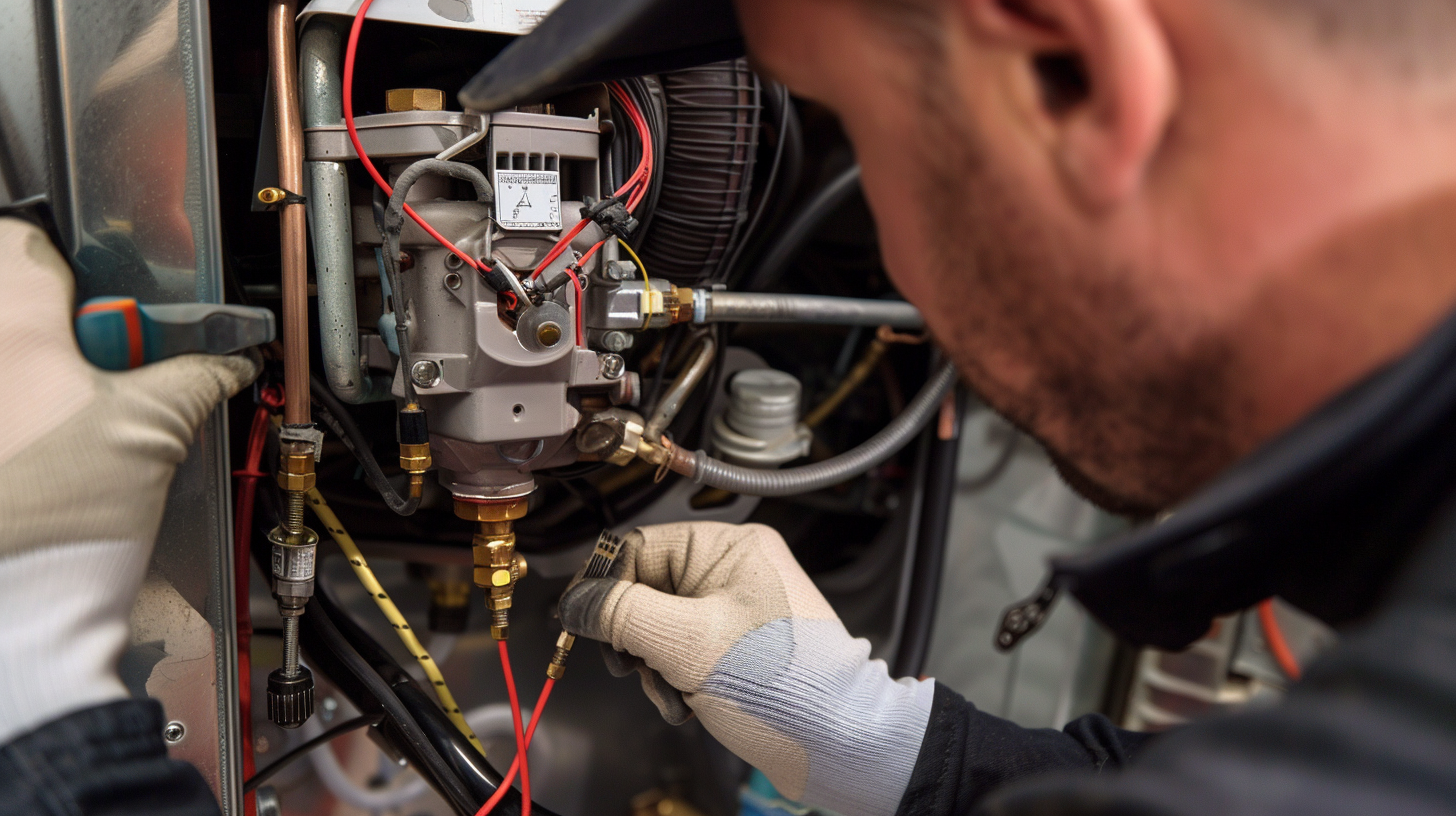
When several symptoms appear together, heating repair in Philadelphia PA may help pinpoint whether the trouble starts with the equipment, ductwork, or the building itself.
Turning Up the Thermostat Can Make Things Worse
A higher thermostat setting won’t necessarily warm the coldest room.
The thermostat only reads the temperature where it is installed. If the hallway warms quickly, the system can shut down while a bedroom upstairs still feels chilly. Then the warmer rooms become uncomfortable, and the furnace ends up working harder.
Which is why thermostat placement matters more than many homeowners expect.
Small Checks Can Reveal A Lot
Before assuming that the entire heating system needs replacement, a few basic checks are worth making.
- Replace a dirty furnace filter.
- Make sure furniture isn’t covering supply or return vents.
- Look for obvious drafts around windows.
- Check attic insulation if it is accessible.
- Have duct joints, dampers, and airflow inspected.
If those steps don’t solve the problem, professional heating and air conditioning repair can help identify worn parts, pressure problems, or poor system sizing.
When A Full Heating Evaluation Makes Sense
Persistent cold spots, strange furnace noises, short cycling, or steadily increasing utility bills deserve a closer look. A qualified technician can compare room temperatures, measure airflow, and check whether the heating equipment matches the home’s needs.
In some homes, central heating services reveal that the furnace is fine and the real culprit is heat loss elsewhere.
Philadelphia’s older houses often have layers of repairs from different decades. Uneven heat is one way those layers start talking back. Finding the actual cause usually leads to a better fix than simply turning the thermostat higher.