Bacteria Hotspots: The 5 Places in Your Kitchen Your Current Sponge is Missing
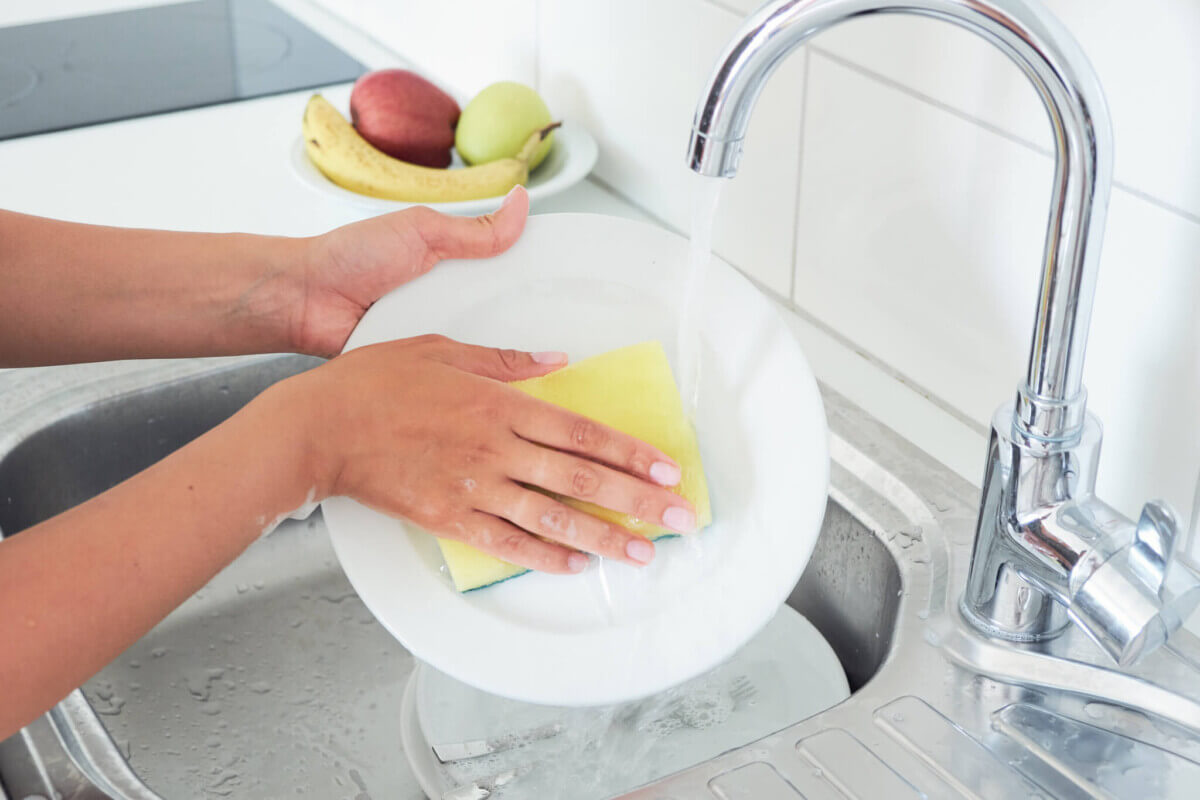
Most people reach for a sponge when the counter looks messy. That makes sense, but it can create a false sense of cleanliness. A kitchen can look spotless and still hold bacteria in places that rarely get the same attention as the countertop. That matters because food prep areas tend to carry more bacterial contamination than many other parts of the home. In NSF’s household germ research, kitchen surfaces ranked higher than expected for coliform contamination.
A sponge also has limits. It usually touches the broad, visible surfaces, then gets put aside. NSF found more than 75% of tested homes had coliform on dish sponges or rags, which helps explain why wiping more often is not always the same as cleaning smarter.
Here are five kitchen spots your current routine may be skipping.
1. The sink drain and strainer
The sink basin gets rinsed, but the drain and strainer often keep the mess. Tiny bits of food settle there, moisture lingers, and that combination gives bacteria a comfortable place to stick around. Experts recommend sanitizing drains and disposals regularly, not just wiping the visible surfaces.
What helps:
- Empty and rinse the strainer daily
- Wash the strainer in the dishwasher weekly if it is dishwasher-safe
- Clean the sink sides and bottom once or twice a week
- Sanitize the drain on a regular schedule, especially if odors are building
People who hire home deep cleaning services often notice this area first because it looks fine from above but traps grime below the rim.
2. Faucet handles
You touch the faucet before washing raw chicken off your hands. Then you touch it again after handling produce, packaging, or a trash bag. That repeated contact turns faucet handles into a classic cross-contamination point. Faucet handles contain coliform bacteria as well as yeast and mold in tested homes.
What helps:
- Wipe faucet handles daily with an appropriate disinfecting cleaner
- Clean around the base where water collects
- Use a paper towel to turn off the faucet after handling raw meat if you are mid-prep
Even the best residential cleaners treat handles as a separate task, not an afterthought.
3. Cutting boards, especially worn ones
A cutting board gets used, rinsed, and reused, sometimes for different foods in the same cooking session. That is where trouble starts. According to the NSF, cutting boards carried coliform in 18% of homes tested, and the FDA advises keeping one board for fresh produce and another for raw meat, poultry, and seafood. Once knife grooves deepen, they become harder to clean thoroughly.
What helps:
- Wash boards with hot, soapy water after each use
- Separate boards by food type
- Run dishwasher-safe boards through the dishwasher
- Replace heavily scarred boards that trap residue
A solid cleaning routine matters whether you run a household kitchen or use a janitorial service for a shared office break room.
4. Refrigerator drawers
Refrigerator drawers look harmless because they stay cold, but cold does not mean clean. NSF’s 2013 kitchen germ study found refrigerator vegetable compartments among the germiest places in test homes, with pathogens including Salmonella and Listeria, along with yeast and mold. Meat compartments also tested positive for organisms such as Salmonella and E. coli. The common problem is leakage, dampness, and produce that goes in unwashed.
What helps:
- Remove drawers and wash them with warm water and mild detergent
- Dry them fully before putting them back
- Store produce separately from raw meat
- Clean up drips from meat juices right away
This is one of those jobs people tend to postpone. Hiring residential cleaning services in Walnut Creek or any other local help to reset the whole kitchen.
5. The coffee maker reservoir
It is easy to forget that a coffee maker mixes heat, moisture, and darkness, three conditions microbes like. NSF lists the coffee reservoir among the top household germ hotspots and notes that it is a prime area for bacteria, mold, and mildew to grow if it is not cleaned often.
What helps:
- Follow the manufacturer’s cleaning directions
- Descale and clean on a set schedule rather than “when it looks dirty”
- Run fresh water cycles after a cleaning treatment
- Do not leave standing water sitting for long periods
The same logic applies outdoors: visible dirt is not the whole story, which is why power washing services focus on buildup you may not notice at first glance.
A cleaner kitchen is usually the result of better habits, not harsher products. Focus on the spots that collect moisture, food particles, and repeated hand contact. Rotate or replace sponges often, and remember that a sponge is only as useful as the routine behind it.
If a business needs the same level of consistency, the standard is not much different from choosing an affordable commercial cleaning company: the goal is to clean the places people overlook, not just the ones they see first.