How Insulation and Ductwork Affect Your Heating System’s Performance?
Most homeowners think of comfort in terms of equipment: a new furnace, a more efficient heat pump, or a thermostat upgrade. But heating and cooling performance is shaped just as much by your home’s shell—the insulation and air sealing that determine how quickly conditioned air escapes and outside air sneaks in. When insulation is weak or gaps are left unsealed, even a high-efficiency system can feel like it’s “working hard but not winning.”
A simple way to think about it: HVAC creates comfort, but insulation helps you keep it. Together, they reduce the temperature swings, drafts, and long runtimes that make homes feel inconsistent, especially during peak winter and summer conditions.
How Insulation Impacts Heating and Cooling Efficiency?
Insulation slows heat transfer through surfaces like the roof, walls, and floors. In winter, it reduces how quickly warmth leaves the home; in summer, it slows how quickly outdoor heat pushes inside. That affects your HVAC system in three practical ways:
- Shorter runtimes: The home reaches the set temperature faster and holds it longer.
- More even temperatures: Fewer hot and cold spots between rooms and floors.
- Less mechanical strain: Reduced “catch-up” operation helps systems run more steadily.
If you’ve ever noticed that some rooms never feel as warm as others—or that your system seems to run constantly in cold weather—insulation and air leakage are often part of the story.
Air Sealing: The Multiplier Insulation Needs
Insulation performs best when air movement is controlled. Even a well-insulated attic can underperform if air leaks are left open around:
- Attic hatches and pull-down stairs
- Recessed lights and bathroom fans
- Plumbing stacks and wiring penetrations
- Rim joists at the edges of basements
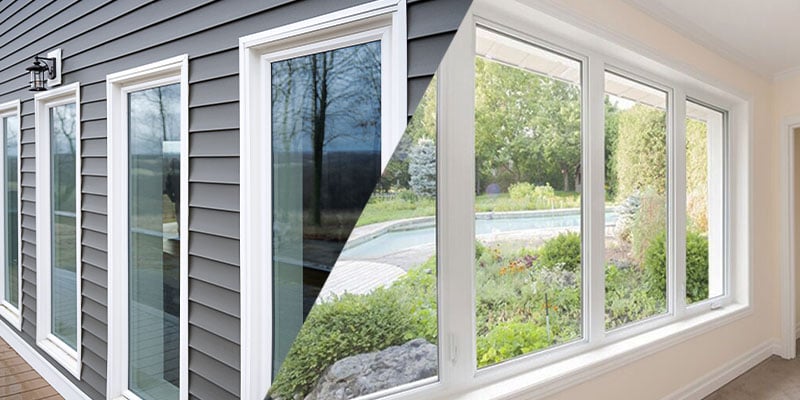
- Window and door frames
Air leaks create drafts and pressure imbalances that pull outdoor air into the home. That forces your HVAC system to condition more air than it should—and can make comfort feel unpredictable.
Why This Matter for Heating Installation and Replacement Decisions?
Insulation and air sealing don’t just change comfort; they also influence system sizing. A home that leaks heat quickly requires more heating capacity to maintain temperature. But installing a larger system “just in case” can backfire. Oversized equipment may short cycle (frequent on/off operation), struggle with consistent temperatures, and waste energy.
That’s why reputable heating installation services rely on load calculations rather than rule-of-thumb sizing. If you’re planning an upgrade, it’s smart to treat insulation and air sealing as part of the same comfort plan—not an afterthought.
How to Improve the Insulation Without Spending A Fortune?
You don’t need a full remodel to see meaningful improvements. The best approach is to focus on high-impact areas and prioritize upgrades that are relatively affordable and easy to access.
1) Start in The Attic
In many homes, the attic is the biggest opportunity because heat rises and escapes upward. Budget-friendly attic improvements include:
- Sealing gaps around penetrations (wiring, plumbing, fans) with appropriate sealants
- Weather-stripping and insulating the attic hatch
- Adding insulation to reach recommended levels for your region
Even basic sealing work can reduce drafts and help your home maintain temperature longer between HVAC cycles.
2) Seal The “Edges” Of the Home
Rim joists and crawl space transitions are common leakage points. Targeted sealing and insulation in these areas can reduce cold floors and stabilize indoor temperatures, especially in older homes.
Look for:
- Drafts along baseboards near exterior walls
- Noticeably colder floors above crawl spaces or unconditioned basements
- Utility penetrations that pass through exterior walls
3) Don’t Ignore Ductwork
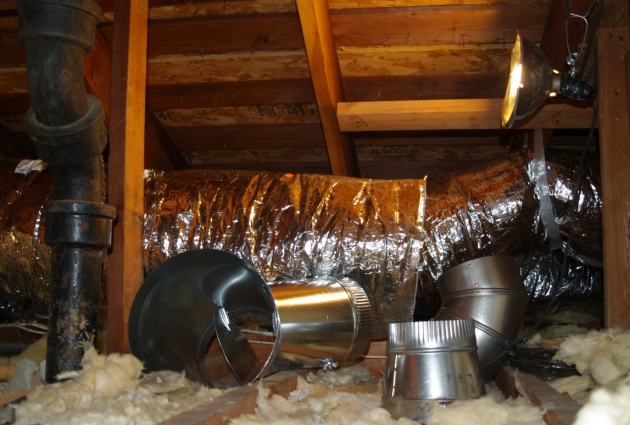
If your home has ducts running through an attic, crawl space, or garage, duct leaks can waste heated air before it reaches the rooms that need it. Helpful steps include:
- Sealing accessible joints with mastic (not standard duct tape)
- Insulating ducts in unconditioned spaces
- Ensuring supply and return vents aren’t blocked by furniture or rugs
4) Low-Cost Comfort Upgrades That Add Up
These small actions can improve comfort without major spending:
- Replace worn door sweeps and weather-stripping
- Use caulk at window trim gaps and plumbing penetrations
- Add insulating outlet gaskets on exterior walls
- Keep filters clean so airflow stays consistent
These don’t replace proper insulation, but they can noticeably reduce drafts and improve how evenly your HVAC distributes heat.
The ROI of Insulation Upgrades
Homeowners usually measure return on investment of hvac replacement near me in two ways: monthly energy savings and comfort improvements (which are immediate even if the payback takes time). Insulation and air sealing can deliver both because they reduce the workload your HVAC system carries every day.
Energy and Operating Cost Benefits
When the home holds temperature better, heating and cooling systems run less. ENERGY STAR (EPA) estimates that homeowners can save an average of 15% on heating and cooling costs by air sealing and adding insulation in key areas like attics, floors over crawl spaces, and accessible basement rim joists.
Equipment Performance
A system that runs constantly to overcome heat loss experiences more wear. Improving the envelope helps reduce those marathon runtimes, and it can also prevent issues that get blamed on the HVAC system, like cold rooms, drafts, and uneven temperatures, when the real cause is heat loss or air leakage.
Checklist
If your goal is better comfort without wasted spending, this sequence keeps decisions simple:
- Step 1: Identify leakage and insulation gaps (attic, rim joists, crawl spaces, ducts)
- Step 2: Air seal first so insulation can work effectively
- Step 3: Add insulation in the highest-impact areas
- Step 4: Confirm airflow basics (filters, vents, returns, duct condition)
- Step 5: Size HVAC equipment based on the improved home when replacement is needed
If you’re searching hvac companies near me, it’s also worth evaluating insulation and air sealing because reducing heat loss is often the fastest path to better comfort.
Takeaway
Insulation isn’t just a “nice-to-have” upgrade; it’s a performance partner for heating and cooling. By strengthening insulation where it matters most and sealing the gaps that waste conditioned air, you can reduce drafts, stabilize temperatures, and help your HVAC system deliver the comfort you expected—often with better efficiency and less strain along the way.