How Often Should You Service Your HVAC System in Pennsylvania?
Pennsylvania weather puts an HVAC system through two very different stress tests every year. Summer asks the air conditioner to handle heat, humidity and long run times. Winter asks the furnace, boiler or heat pump to keep the home steady through cold snaps, damp air and sudden temperature drops. That back-and-forth is exactly why yearly maintenance matters.
Why twice a year is the safer rule
A once-a-year visit is better than ignoring the system, but it can miss half the picture. Your air conditioner and heating equipment have different parts, different failure points and different seasonal demands.
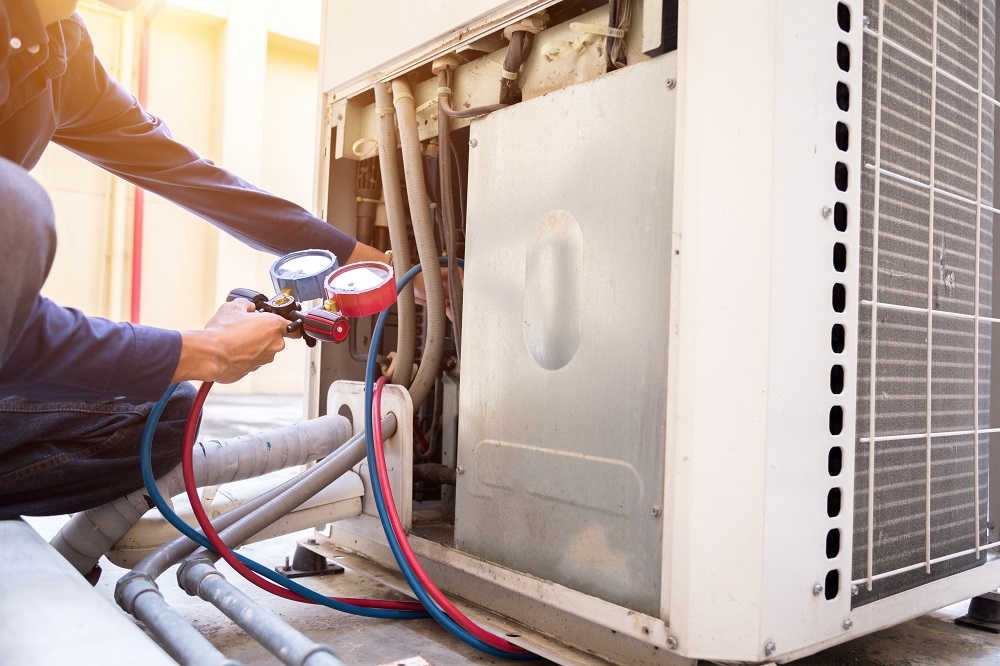
Spring service prepares your AC before the first stretch of hot, humid weather. A technician can check refrigerant levels, clean coils, inspect electrical components, test airflow and make sure the condensate drain is clear. These small checks matter because many cooling problems start quietly. Weak airflow, dirty coils or a clogged drain may not shut the system down right away, but they can raise energy use and shorten equipment life.
Fall service does the same job for your heating equipment. The technician checks ignition, burners, safety controls, heat exchangers, vents, filters, blower parts and thermostat operation. If you have a boiler, the visit may include pressure checks, circulator inspection and a review of visible leaks or corrosion.
Pennsylvania homes have their own HVAC challenges
Homes across Delaware County and the wider Delaware Valley often deal with older ductwork, mixed insulation quality, basements, additions and equipment that has been replaced in stages over the years. One part of the house may cool well while another room stays sticky. A furnace may seem fine until the first freezing week exposes weak airflow or a worn part.
This is where regular HVAC services do more than prevent breakdowns. A good maintenance visit gives you a clear picture of how the whole system is aging, not just whether it turns on today.
What if the system is newer?
Newer equipment still needs service. In fact, maintenance can matter more during the first few years because installation quality, airflow setup and thermostat calibration all affect performance. A new system that runs with poor airflow or clogged filters can still wear down faster than expected.
Many manufacturers also expect routine maintenance as part of warranty care. Keep records of service visits, especially for newer systems. They’re useful if a warranty question comes up later.
When should you service it more often?
Some homes need more than the standard spring-and-fall schedule. Book extra attention if you have pets, allergy concerns, heavy system use, recent renovations, poor indoor air quality, frequent filter clogging or rooms that never feel comfortable.
You should also call sooner if you notice short cycling, odd smells, loud noises, rising utility bills, weak airflow, water near the indoor unit or uneven heating and cooling. Don’t wait for the system to fail completely. Small symptoms are cheaper to inspect than emergency breakdowns.
Don’t treat maintenance like a formality
A quick filter change is not the same as proper HVAC maintenance. Filters help, but they don’t test electrical safety, refrigerant charge, combustion, drainage, airflow balance or worn components.
If your system is already struggling, maintenance may not be enough. Strange furnace behavior, cold spots or a system that won’t keep up may need Heating repair from a local HVAC company rather than a tune-up.
A practical schedule for Pennsylvania homeowners
Put AC service on your calendar for March, April or May. Put heating service on your calendar for September, October or early November. Replace filters every one to three months depending on use, pets, and air quality. Keep vents open and clear. Pay attention to new noises, smells or comfort changes.
A little timing goes a long way. Service the system before the weather gets demanding, and you give your home the best chance of staying comfortable without surprise repair bills.