How To Choose A Permanent Lighting System For Your Roofline
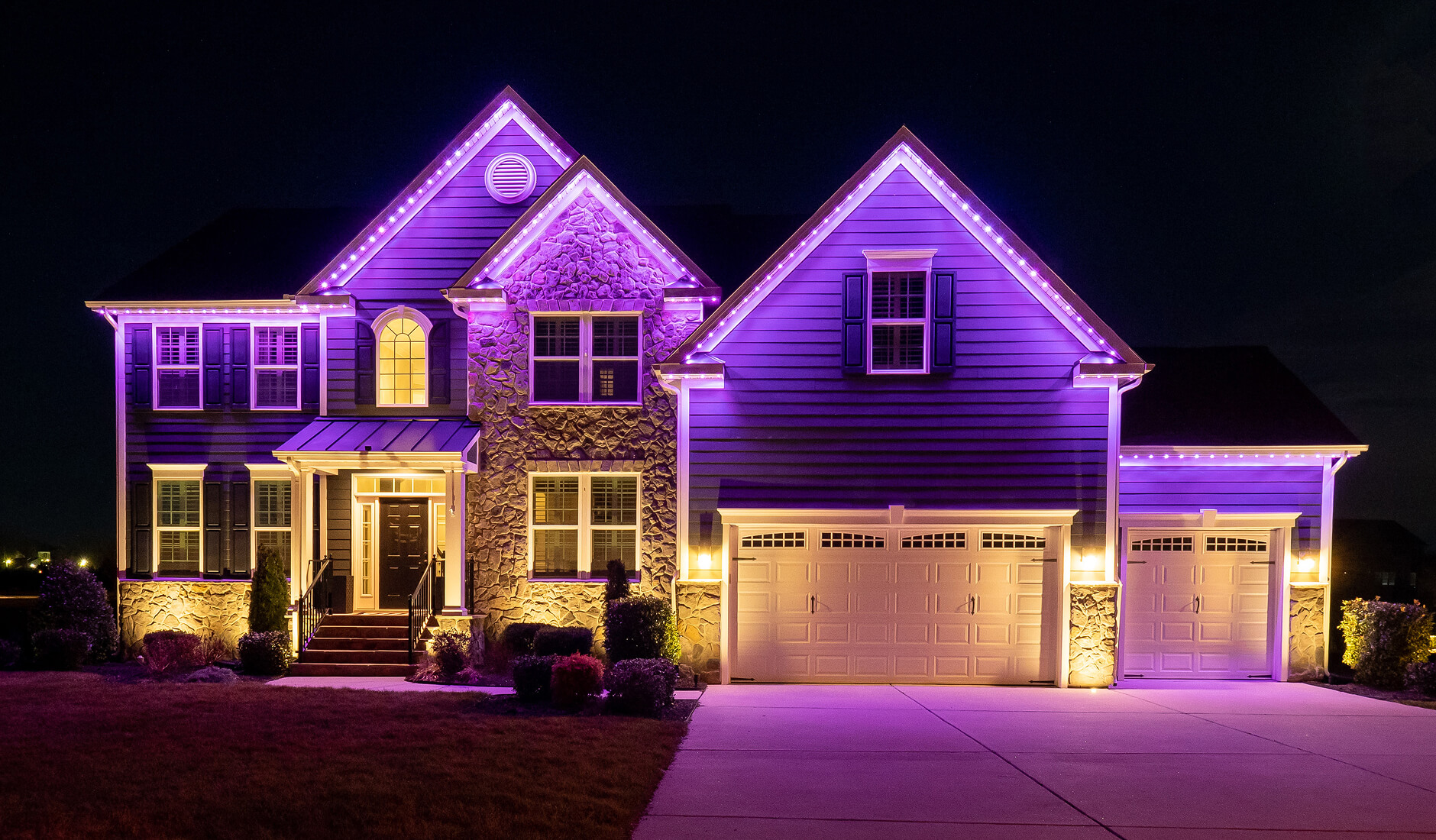
A permanent lighting system should look clean in daylight, stay secure through changing weather, and fit the shape of your roofline without turning the install into a mess. The right choice starts with the house, then the light model, then the mounting method that keeps the whole run tidy.
A lot of buyers begin with colour scenes and app screenshots. The house matters first. If the roofline is awkward or the wires stay visible through the day, the excitement wears thin pretty quickly.
Start With The House
Your home sets the tone for the whole project. Roof height, eave depth, visible trim, and the number of turns all affect what will look clean and what will feel difficult to install.
These are the house details worth checking before you buy.
Look At The House From The Street
Stand back and look at the areas people will notice first. Front peaks draw the eye, though the garage edge and porch line often matter more in daylight.
Note The Mounting Surface
Some homes give you a smooth soffit line from one end to the other. Others shift between fascia, trim board, and small overhangs. Those changes affect where sections start and stop.
Corners Need Their Own Plan
Corners are small details with a big effect. They shape how neat the run looks and where a join makes the most sense.
Think About Daytime Appearance
Most product photos focus on the lights at night. You will live with the daytime view for most of the year. That is why a clean roofline matters so much.
Visible wires, loose sections, and uneven spacing can make a good light kit look unfinished before sunset ever arrives.
Choose A Mounting Method That Stays Clean
Lights bring the colour. Mounting decides how the install ages. Tape can peel. Clips can leave the run looking busy. Track keeps the line straighter and gives the roofline a finished look.
These are the main mounting paths homeowners compare.
Why Permanent Lighting System Buyers Move To Track
A permanent lighting system needs a solid path across the house. Track supports the full run, helps hide wiring, and keeps the spacing more orderly.
Compare The Main Mounting Paths
| Mounting Path | What You Will Notice Later | Good Fit |
| Tape | Can loosen and show cable movement | Short trial runs |
| Clips | Adds small visible hardware | Small sections on simple trim |
| Brand-Matched Track | Straighter lines and cleaner daytime finish | Full roofline installs |
Match Track To The Brand
This is one of the easiest ways to avoid fit problems. If you are running Govee lights, start with Govee Track. If your system uses ASAHOM, look at ASAHOM Track. For Eufy E22, use Eufy Track.
Using the correct page gives you a clearer sense of section length, model fit, and what the final run will need on the house.
Pick Features You Will Use Throughout The Year
A long feature list can look exciting on a sales page. Daily use tends to come down to a smaller group of functions that actually earn their place once the install is finished.
These are the features that matter most for real homes.
Keep Control Simple
A clean app with dependable scene control usually matters more than endless novelty effects. Most homes benefit from one calm everyday look and a few seasonal changes you can call up without fuss.
That keeps the lighting feeling like part of the house rather than a toy bolted to the soffit.
Plan For Basic Upkeep
Every outdoor setup needs checks from time to time. A section may need attention. Debris may gather near a run. A fastener may need a second look.
A tidy layout makes those jobs easier later on.
- Choose runs you can reach safely
- Leave practical access near the power point
- Keep a sketch of the layout after install day
- Hold onto spare parts from the first order
Buy For The Roofline You Actually Have
A product can look great on one house and feel out of place on another. A smaller home may suit a restrained layout and a softer daily scene. A larger front elevation can carry more coverage without feeling heavy.
These are the buying choices that usually shape the result.
Size The System To Visible Runs
Start with the areas that make the strongest impression from the street. Front eaves, peaks, porch wraps, and garage lines usually sit at the top of the list.
That keeps your budget focused on the parts of the house that change the overall look the most.
Think About Future Expansion
Some homeowners start with the front and add side runs later. That plan works well when you measure the full house from the start and keep notes on what comes next.
Buy For The Finished Look
This is where people often get off track. They buy lights first, then search for a mounting fix after the boxes arrive. A better route starts with the final look you want and works backward from there.
If the goal is a neat roofline that still looks good in daylight, choose the system and the track with that end result in mind.
A Short Buying Checklist
The final choice gets easier once you reduce it to a few grounded questions. You do not need a giant spreadsheet or a week of second-guessing.
Here is the shortlist we would use on our own house.
Questions To Answer First
- Which roofline sections matter most from the street
- Which light model suits your goals and budget
- Which track page matches that model
- How much spare track you need for cuts and corners
- How simple you want the app and scene control to feel
Final Thoughts
The right system is the one that fits your roofline, looks tidy in daylight, and stays easy to live with after the first week of excitement passes.
Start with the house. Pick lights that fit how you plan to use them. Then mount them in a way that keeps the run clean and secure. That is how a permanent setup earns its place.