Left-Hand vs Right-Hand Chaise: How to Choose the Correct Sofa Orientation
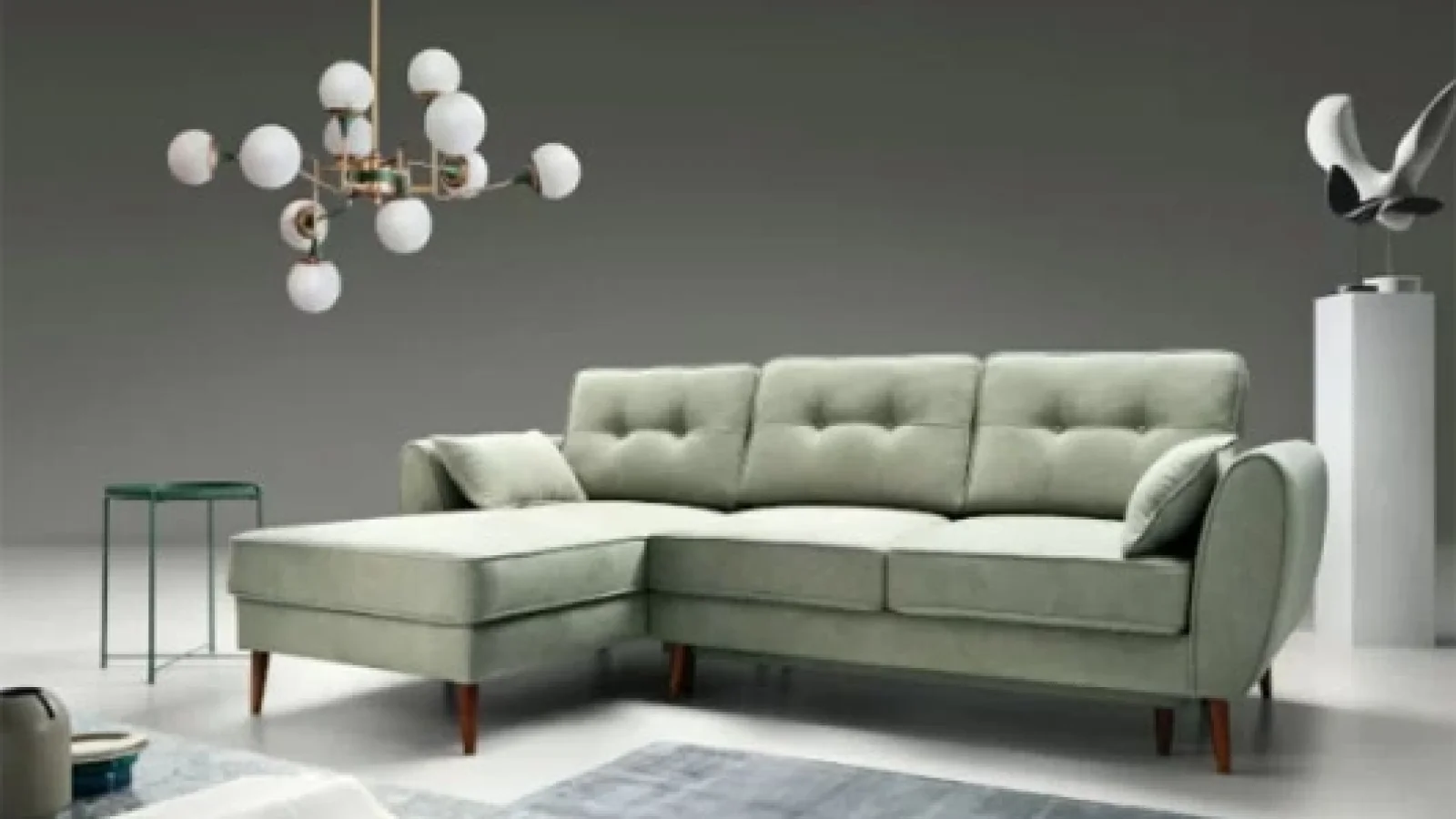
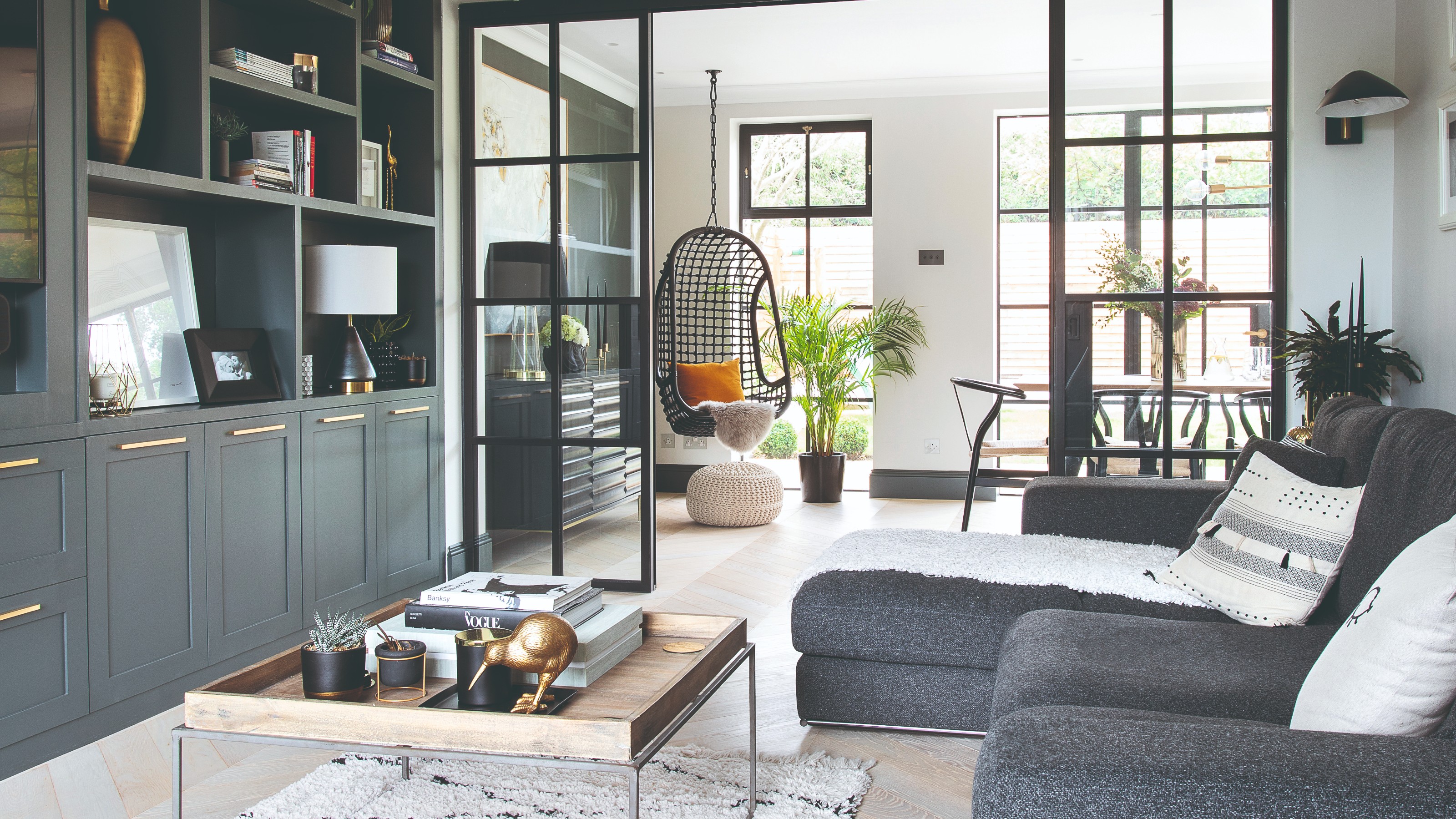
A left-hand chaise has the extended chaise section on the left when you stand in front of the lounge and face it. A right-hand chaise has the chaise section on the right. That sounds simple, but getting the direction wrong can leave a chaise cutting across a walkway, blocking a balcony door or sitting on the least useful side of the room.
The best chaise orientation is the one that keeps the room easy to move through while giving you a comfortable place to stretch out.
If you are comparing left-hand and right-hand chaise lounges, check the configuration drawing as well as the product name. Furniture terminology is not always used consistently between retailers.
Quick answer
- Left-hand chaise: The chaise is on your left when facing the lounge from the front.
- Right-hand chaise: The chaise is on your right when facing the lounge from the front.
- Best rule: Put the chaise on the side that keeps your main walkway clear.
What Does Left-Hand vs Right-Hand Chaise Mean?
Left-Hand Facing Chaise
A left-hand facing chaise, sometimes shortened to LHF chaise, has the longer chaise section on the left when the lounge is viewed from the front.
Right-Hand Facing Chaise
A right-hand facing chaise, or RHF chaise, has the longer section on the right when viewed from the front.
Always confirm this with the product diagram before ordering. Some people describe orientation while sitting on the sofa, which reverses the answer.
A simple way to avoid confusion is to stand in front of the lounge plan and say, “I want the chaise on this side.”
How Do You Know Which Chaise Side You Need?
The room usually gives you the answer.
1. Start with the main walkway
Before thinking about colour or fabric, work out how people naturally move through the room.
Where do you enter? Is there a hallway beside the lounge? Does somebody regularly walk between the lounge room and kitchen? Is there a sliding door to the balcony?
The chaise should usually sit away from that path. Interior designers recommend keeping natural walkways clear when arranging living-room furniture, as placing large pieces across normal traffic routes can make the space feel cramped and awkward to move through.
For a small living room with a chaise sofa, this matters even more. A lounge may technically fit against the wall but still make the room awkward if its chaise projects across the only practical walking route.
2. Check doors, windows and access points
Open every nearby door before deciding.
Check:
- Balcony and sliding doors
- Hallway entries
- Kitchen access
- Wardrobes or storage
- Curtains, and
- Paths around the coffee table
A chaise that sits neatly in a floor plan can become annoying if you have to walk around it every day.
3. Think about the TV position
If the chaise will be the favourite seat for movie nights, make sure the person reclining has a comfortable view.
The sofa does not have to point directly at the television, but the chaise should not force someone to twist their neck or sit sideways every night.
4. Tape the lounge onto the floor
This is one of the easiest ways to test which side an L-shaped sofa should go on.
Use painter’s tape to mark the full sofa length and chaise depth on the floor. Then walk around it normally and check nearby doors, tables and access points. Typical chaise measurements can help when marking out the footprint.
Left-Hand vs Right-Hand Chaise: Comparison
| Consideration | Left-Hand Chaise | Right-Hand Chaise |
| Chaise when viewed from front | Left side | Right side |
| Often suits rooms where the clear walkway is | Right side | Left side |
| Wall placement | Works when the left return suits the room | Works when the right return suits the room |
| TV viewing | Depends on room position | Depends on room position |
| Better overall option | Depends on your layout | Depends on your layout |
There is no universally better chaise side. The correct orientation depends on the room, its access points and how you use it.
Which Chaise Orientation Works Best for Different Rooms?
- Small living rooms
Keep the chaise towards the quieter edge of the room instead of pointing it across the centre.
This can make an L-shaped sofa feel far less bulky.
- Open-plan living rooms
A chaise can help separate the lounge from a dining or kitchen zone without adding another wall or furniture piece.
But it needs to define the area rather than block it. Architectural Digest notes that open-plan furniture layouts work best when the activities and functions of each zone are considered before deciding where furniture goes.
In larger rooms, a double-chaise configuration can provide more space to stretch out, provided there is still enough room to move comfortably around the lounge.
- Rooms with balcony doors
Keep the chaise away from the opening wherever practical. A clear route to an outdoor area will usually be more useful than perfect visual symmetry.
- TV rooms
Prioritise sightlines and comfort. If one person regularly stretches out on the chaise, choose the side that gives them the easiest view.
Should You Choose a Reversible Chaise?
A reversible chaise is worth considering when the room layout may change.
It can make sense for renters, people planning to move, or households that regularly rearrange furniture. Selected models allow the chaise cushion and base to change from one side to the other.
A fixed chaise works well when the room is settled and you know the exact configuration you need.
For unusual dimensions, custom-made lounges in Sydney can also make it possible to adjust the overall size or configuration rather than forcing a standard lounge into the room.
The Most Common Chaise Orientation Mistake
The biggest mistake is choosing the side from the product photo instead of choosing it from the room.
A product image has no doorway, kitchen entrance, balcony or coffee table to work around. Your room does.
The right order is:
- Measure
- Mark the footprint
- Walk around it
- Confirm the orientation
- Order
It takes a few extra minutes and can prevent a much bigger problem once the lounge arrives.
For fabric lounges, placement matters for another reason as well. Consider factors such as direct sunlight and contact with external walls when arranging upholstered furniture.
Frequently Asked Questions
Is a left-hand chaise on my left when I sit on it?
Not under the front-facing convention used in this guide. Stand in front of the lounge and face it. If the chaise is on your left, it is left-hand facing. Always confirm the retailer’s individual product diagram before ordering.
Should the chaise go against a wall?
Not necessarily. A chaise can sit against a wall, extend into an open-plan room, or help define a living zone. What matters most is keeping doors and major walking paths clear.
Should a chaise face the TV?
It does not need to point directly towards the TV, but someone reclining should have a comfortable view without constantly turning their head. Test the sightline from the proposed chaise position before deciding.
What if I might move house later?
A reversible or modular chaise gives you more flexibility because the layout can potentially work in a different room. Check the exact model because not every chaise can be reversed.
How do I check the chaise orientation before ordering?
Measure the room, mark the full lounge footprint on the floor and check the front-facing product diagram. If you still cannot tell which side suits the space, bring your dimensions or floor plan into a showroom and compare both configurations.
Still Not Sure Which Side Works?
Start with the room rather than the sofa.
Measure the available wall length and depth, mark your doors and walking paths, then decide where the chaise can sit without getting in the way. That usually makes the correct orientation fairly obvious.