Termite Signs Charlotte Homeowners Should Never Ignore

Termites do not need a dramatic entry point to cause expensive damage. In many Charlotte homes, the first warning is small: a dirt-colored line on the foundation, a pile of wings near a window, a soft porch post, or trim that suddenly feels weaker than it should.
Termites often work behind finished surfaces, under flooring, inside crawl spaces, and near damp wood. The signs are easy to miss because they can look like moisture damage, settling, or old-house wear.
Mud Tubes Along the Foundation Are a Serious Warning
Subterranean termites move between soil and wood, and they build mud tubes to protect themselves from open air. These narrow lines may run up block walls, foundation edges, crawl space piers, garage walls, porch supports, or areas where plumbing enters the home.
They can look like dried dirt or clay, often about the width of a pencil. Some are obvious. Others sit behind storage bins, under steps, near mulch beds, or inside crawl spaces.
Do not scrape the tube away and move on. If a broken section returns, that can point to active termite movement. Even an abandoned tube matters because it shows the home had conditions termites could use. This is the type of situation where pest control Charlotte NC homeowners rely on should include a termite-specific inspection, not just a quick general spray.
Hollow, Soft, or Blistered Wood Deserves a Closer Look
Termites often eat wood from the inside out. The surface may look normal while the inside has already been damaged. That is why tapping on suspicious trim, baseboards, posts, or framing can reveal a hollow sound.
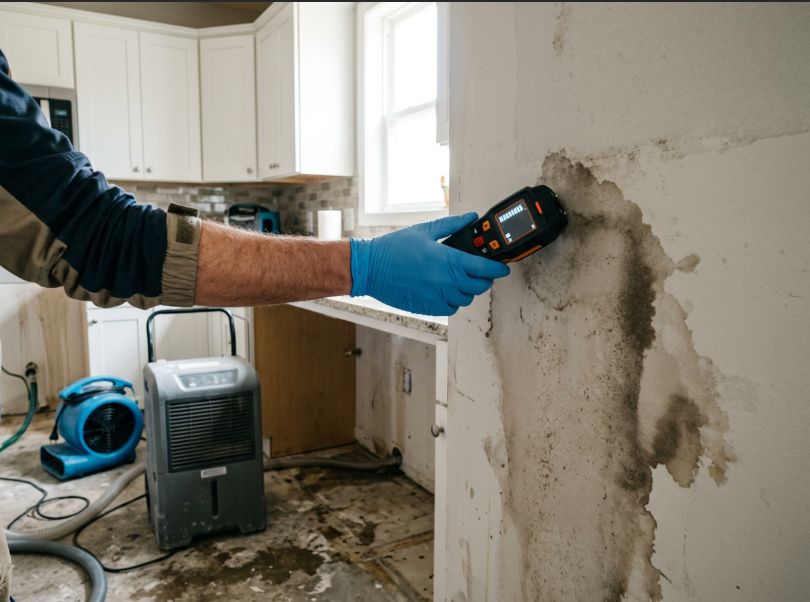
Soft wood is another red flag. A screwdriver should not sink easily into porch posts, garage trim, sill plates, or window framing. Paint that bubbles or blisters also deserves attention near exterior walls, bathrooms, laundry areas, crawl space access points, or damp corners.
Termite damage can resemble rot or water damage. A damp, softened area may attract termites even if they are not already present. A professional inspection can separate termites from old damage, moisture problems, carpenter ants, or decay.
Swarmers and Discarded Wings Need Fast Attention
Winged termites, called swarmers, are reproductive termites that leave a mature colony. Indoors, they are often found near windows, sliding doors, light fixtures, or bright rooms. Many homeowners first notice the wings rather than the insects.
Termite wings are usually similar in size and may collect in small piles on windowsills, floors, bathroom counters, or near doors. Winged ants can look similar, so one insect is not the issue. Repeated indoor wings are.
A recurring pile of wings inside the house is different. Good pest control services Charlotte NC homeowners choose should document what was found, explain whether activity appears current, and point out the conditions helping termites access the structure.
Crawl Spaces, Mulch, and Moisture Create the Setup
Charlotte homes with crawl spaces deserve extra termite awareness. Crawl spaces can hold moisture, shelter, wood framing, and soil access in the same place. That combination can make termite activity harder to spot until damage has already moved into hidden areas.
Mulch can also create problems when piled too high against siding or foundation areas. So can wood scraps under the home, leaking hose bibs, poor drainage, clogged gutters, old stumps, and porch steps that touch soil.
Check these spots first:
- Foundation edges near mulch beds
- Crawl space piers and sill plates
- Porch posts, deck steps, and garage trim
- Window and door trim with bubbling paint
- Wood stored against the house
If live insects, fresh wings, or active mud tubes are present, same day pest control may be worth asking about, especially when activity is inside the living space or close to structural wood.
Small Changes Can Point to a Bigger Issue
Some signs are easy to dismiss because they do not look like insects. Doors may start sticking. Flooring may feel slightly uneven. Trim may separate from the wall. You may see small pellets or debris near wood surfaces.
Not every one of these signs means termites. Humidity, settling, leaks, and normal wear can create similar clues. The concern rises when several signs appear together near moisture, soil contact, or damaged wood.
For termite concerns, pest control near me should mean more than a nearby company. You want someone who understands local home construction, Charlotte-area moisture patterns, and the difference between surface activity and conditions that keep pests returning. If the inspection confirms termites, an exterminator Charlotte NC homeowners trust should explain what is active, what appears old, which areas need repair, and what conditions should be corrected.
FAQ
Are termites common around Charlotte homes?
Yes. Warm weather, humidity, crawl spaces, wooded lots, and soil-to-wood access can all increase termite pressure around Charlotte-area homes.
Can termite damage look like water damage?
Yes. Soft wood, blistered paint, warped trim, and stained areas can overlap with moisture damage. An inspection looks at both insect evidence and moisture conditions.
Should I wait if I only see one warning sign?
If the sign is a mud tube, indoor swarmers, repeated wings, or soft structural wood, waiting is risky. Small clues can point to hidden activity.
The termite signs Charlotte homeowners should act on are usually quiet: mud tubes, discarded wings, hollow wood, crawl space moisture, blistered paint, and wood touching soil. Several clues together deserve a professional inspection before the damage becomes harder and more expensive to deal with.