The Plumbing Dilemma: Choosing Between Pipe Repair and Pipe Replacement
A plumbing system is the unobtrusive lifeline of a building, providing clean water and efficiently removing waste without creating a lot of discussion among building occupants. Unfortunately, these systems are kept largely behind walls and under floors and tend to go unnoticed till a problem occurs. When water pressure seems to suddenly decrease, you hear some banging noises in the walls or you see a patch of water on the ceiling, it can cause a lot of stress. The answer is for the property owner to make when they have a pipe problem is whether to repair it or replace it. This decision needs to be made with a consideration of both current expense and longer-term dependability, and an understanding of the state of your infrastructure.
Assessing the Scope and Nature of the Damage
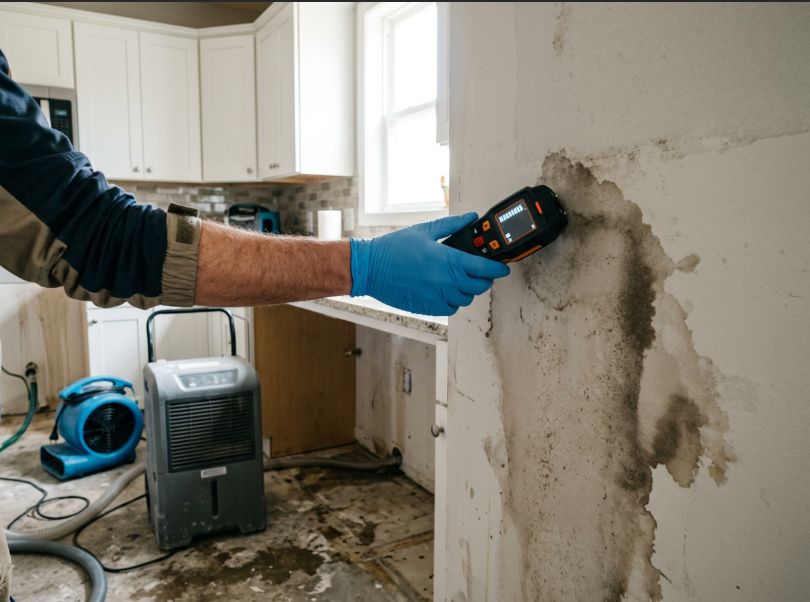
The first step towards deciding on the action to take is to determine the exact problem you are dealing with when it comes to your plumbing. An unexpected puncture or loose connection will usually make a small leak a good candidate for a relatively easy repair. Localized issues can usually be addressed in a timely fashion by patching the section, replacing a small section of pipe or tightening a fitting. Modern Plumber Lehi ut technicians can often solve these issues quickly by patching the section, replacing a small section of pipe or tightening a fitting. This way you won’t have to disrupt your everyday routine, and you’ll keep your costs down.
Things are very different, however, when the leak is a sign of a more widespread and systemic problem. If you are experiencing many leaks occurring in various locations of the building in a relatively short time, the buildings infrastructure is probably at fault. Holes in the system from hoses, joints and fittings are frequently a sign of corrosion. Even if you patch one hole in a compromised network, the pressure will shift to the next weakest link, almost certain to cause another problem in the future.
Evaluating Pipe Material and Age
The age and nature of the plumbing system is a big factor in deciding whether or not you should repair or replace your plumbing system. The life expectancy and failure characteristics of the various materials are quite different. For example, older homes can still have galvanized steel pipes that, over the years, tend to rust from the inside out. This corrosion inside the pipe can cause a reduction in water flow and can cause the water to turn a brownish-red color. When your property uses out-of-date materials that are at the end of their working life, you are losing money by patching them and the only viable option is to replace them.
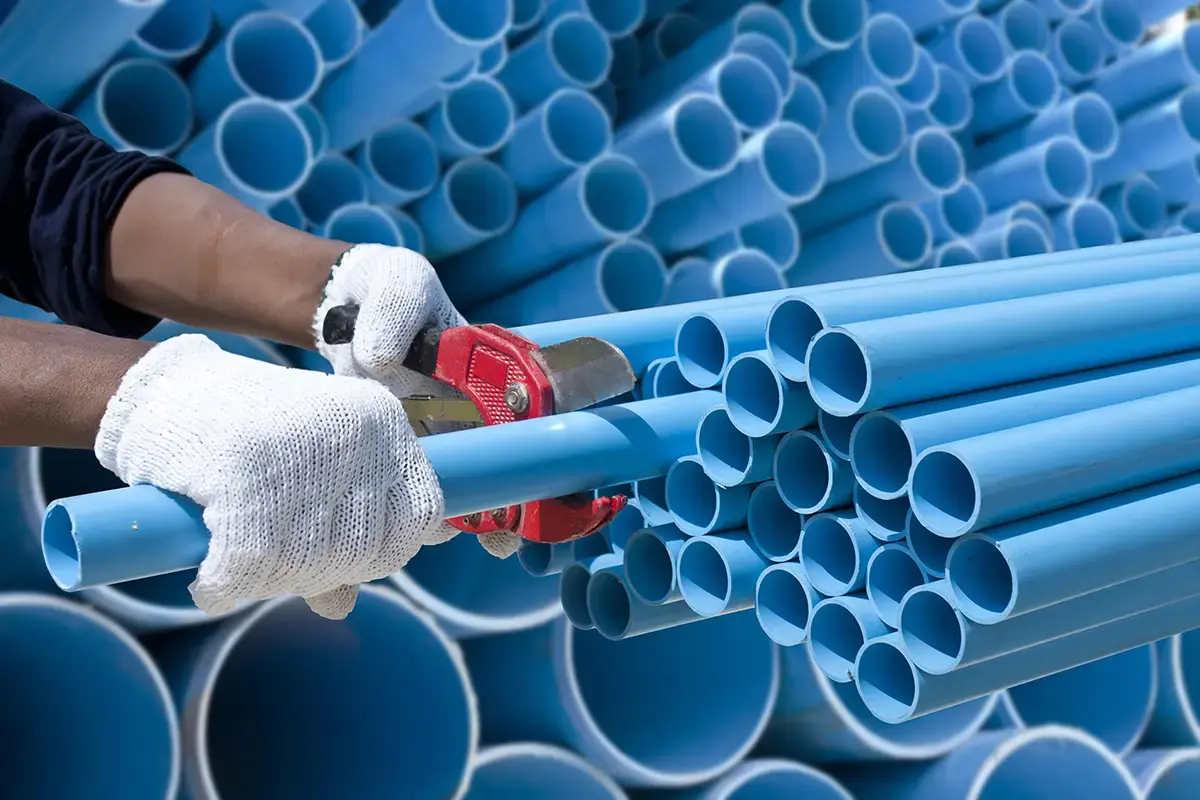
However, certain modern materials such as copper or high density cross linked polyethylene (PEX) are extremely resistant to corrosion and durable. If part of a system built from these high-quality materials fails because of freezing temperatures, or physical damage, a professional repair can be very effective. If a pipe network has been properly installed and is healthy, a proper fix applied to it can give back full functionality and will last easily the life of the rest of the pipe network.
Balancing Immediate Budget Against Long-Term Value
While of course, a property owner’s decision is usually based on financial factors, it is important to consider beyond the initial bill. In the short term, it’s clear that the repair of pipes is the more cost-effective solution. It is less intrusive in terms of drywall or flooring being torn up, less expensive and less material intensive. A repair can provide a fast, cost-effective solution to a problem owner may have when the water supply is not running the way they want, and the problem is likely to become a safety hazard.
While the upfront cost is greater, sometimes the best value is a complete pipe replacement. Repeatedly replacing plumbing fixtures when they have a problem, replacing walls damaged by water, and cleaning up water damaged areas soon surpasses the cost of a modern repiping system. Furthermore, if the plumbing system is completely up-to-date, the value of the property is enhanced and there is great peace of mind. When you know that floods and water damage won’t harm your home, you don’t have to worry about a plumbing emergency at every turn.
Conclusion
The decision to repair or replace pipes is really a matter of determining if there is a problem or accident or if it’s a disease. A localized repair is ideal for the case of accidental damage in a system that has been well-maintained, but can’t overcome the ravages of old age and general corrosion. While it might seem like a big investment at first, a total replacement will ensure that your property is protected and will save you money over time. When working with a trusted plumbing expert and having a thorough examination of your plumbing health, you can make a wise decision that will ensure that your water will continue to flow safely and smoothly for years and years.