Why has Gel Wallpaper Remover Spray become the Go-To Choice for DIY Renovation Projects
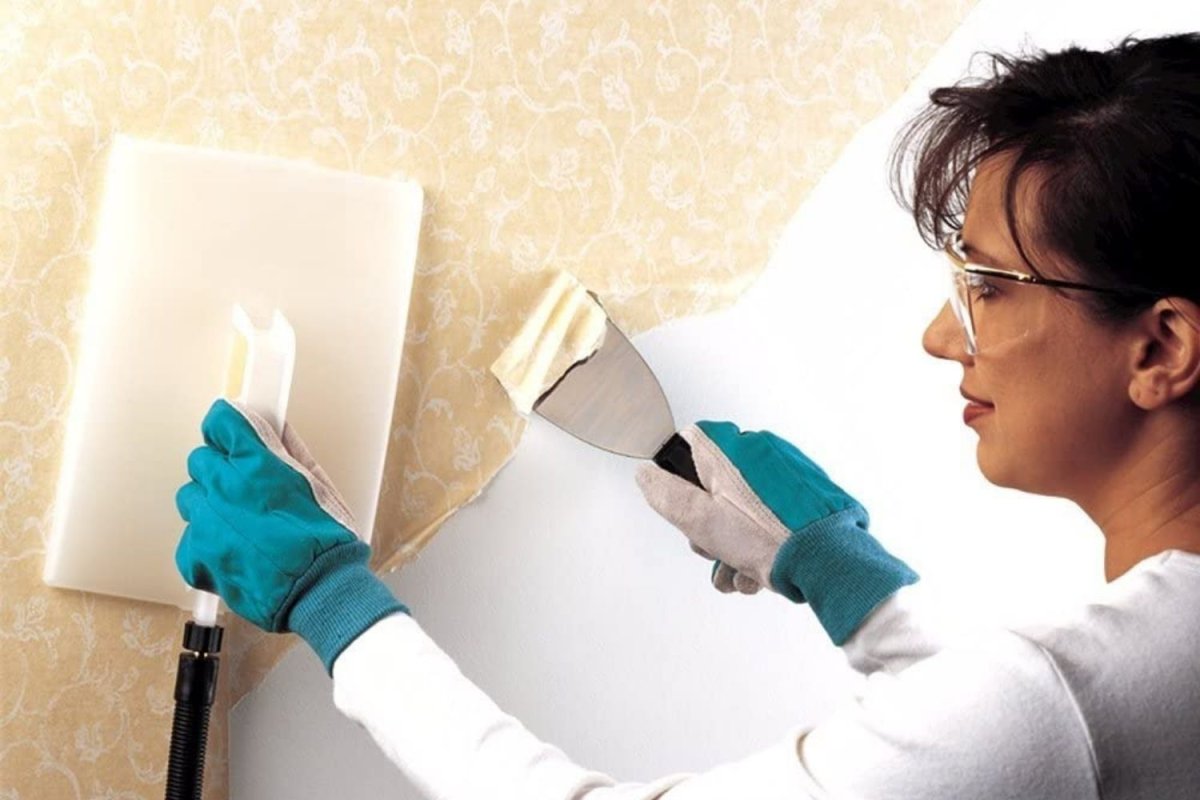
Removing wallpaper has a reputation for being one of those home renovation jobs that starts optimistically and ends with someone seriously reconsidering every life decision that led to that moment. The paper tears in strips the size of a thumb. The adhesive underneath has apparently fossilized. The walls get wet, then damaged, then somehow both at once. Anyone who has been through it once tends to approach the second time with a very specific kind of dread.
Which is exactly why the product category has been evolving, and why more homeowners are paying attention.
What Makes Gel Formula Different From Traditional Removers
Liquid wallpaper removers have been around long enough that most people assume the technology hasn’t changed much. The basic approach; wet the paper, loosen the adhesive, peel, is the same. What’s different with a gel formula is the behavior of the product once it hits the wall.
Standard liquid runs. It drips down the surface before it has time to penetrate, pools at the baseboards, and requires constant reapplication to keep the area saturated long enough to actually work. Gel wallpaper remover spray clings. The thicker consistency holds contact with the paper surface, giving the active ingredients time to break down the adhesive layer properly rather than sliding off before they’ve done anything useful.
That dwell time is what actually drives results. Adhesive that has been bonded to drywall for ten or fifteen years doesn’t respond to a product that makes contact for thirty seconds. It responds to sustained saturation, and gel delivers that in a way liquid consistently struggles to.
Room Type and Surface Age Both Matter
Not every wallpaper removal job is the same, and the variables that affect difficulty are worth understanding before starting. Paper that was hung over bare drywall without a primer or sizing layer is notoriously difficult; the adhesive bonds directly to the paper facing of the drywall itself, and removal risks pulling that facing off in sections. Older plaster walls behave differently again, generally more forgiving but with their own complications depending on what’s been layered on over the decades.
Bathrooms and kitchens add moisture history to the equation. Paper in high-humidity rooms has often experienced cycles of swelling and drying that bond it more aggressively to the surface, or alternatively has started separating in ways that look promising but mask adhesive that’s still well attached underneath.
Gel wallpaper remover spray performs consistently across most of these scenarios because the application method doesn’t change much. The dwell time might need extending for older or more stubborn adhesive, but the fundamental approach holds regardless of surface type.
The Case for Doing It Once and Doing It Right
Wallpaper removal is one of those jobs where cutting corners early creates significantly more work later. A product that doesn’t penetrate properly leads to partial removal, adhesive residue that interferes with paint adhesion, and often a second or third round of treatment that ends up taking longer than a proper first pass would have.
The homeowners who tend to get through it cleanly are the ones who treat dwell time as non-negotiable, work in smaller sections than feels necessary, and use a product formulated to actually stay in contact with the surface long enough to do its job. Gel wallpaper remover spray fits that approach in a way that liquid alternatives generally don’t, which is why it keeps showing up in the recommendations of people who’ve done this more than once and formed an opinion about what actually works.
For anyone standing in front of a wallpapered room trying to figure out where to start, the product choice is a better place to begin than the scraper.