Coconut Fiber Awning: A Natural Shade Solution for Outdoor Spaces
Creating comfortable outdoor spaces requires more than attractive landscaping. Effective shade can make patios, gardens, resorts, cafes, recreational areas, and commercial properties more enjoyable while helping protect people and outdoor furnishings from intense sunlight. As interest in natural and environmentally conscious design continues to grow, coconut-based shade materials are becoming an interesting option for outdoor applications.
Coconut-derived materials can provide a distinctive natural appearance while complementing tropical, rustic, and eco-friendly architectural styles. Two terms increasingly associated with this concept are coconut fiber awning and coconut shade cloth, both of which can contribute to practical and visually appealing outdoor shade solutions.
The Appeal of Natural Shade Materials
Traditional shade structures are commonly manufactured from synthetic fabrics, plastics, or metal components. Although these materials can provide effective protection, some property owners prefer alternatives that create a warmer and more organic atmosphere.
Coconut fiber offers a naturally textured appearance that works particularly well in tropical environments. Its earthy character can complement gardens, beachside properties, resorts, restaurants, villas, and other outdoor spaces where the visual connection with nature is important.
Beyond appearance, natural fiber materials can be incorporated into different shade designs. The final construction depends on factors such as the intended location, dimensions, structural requirements, and desired level of shade.
Understanding Coconut Fiber Awning
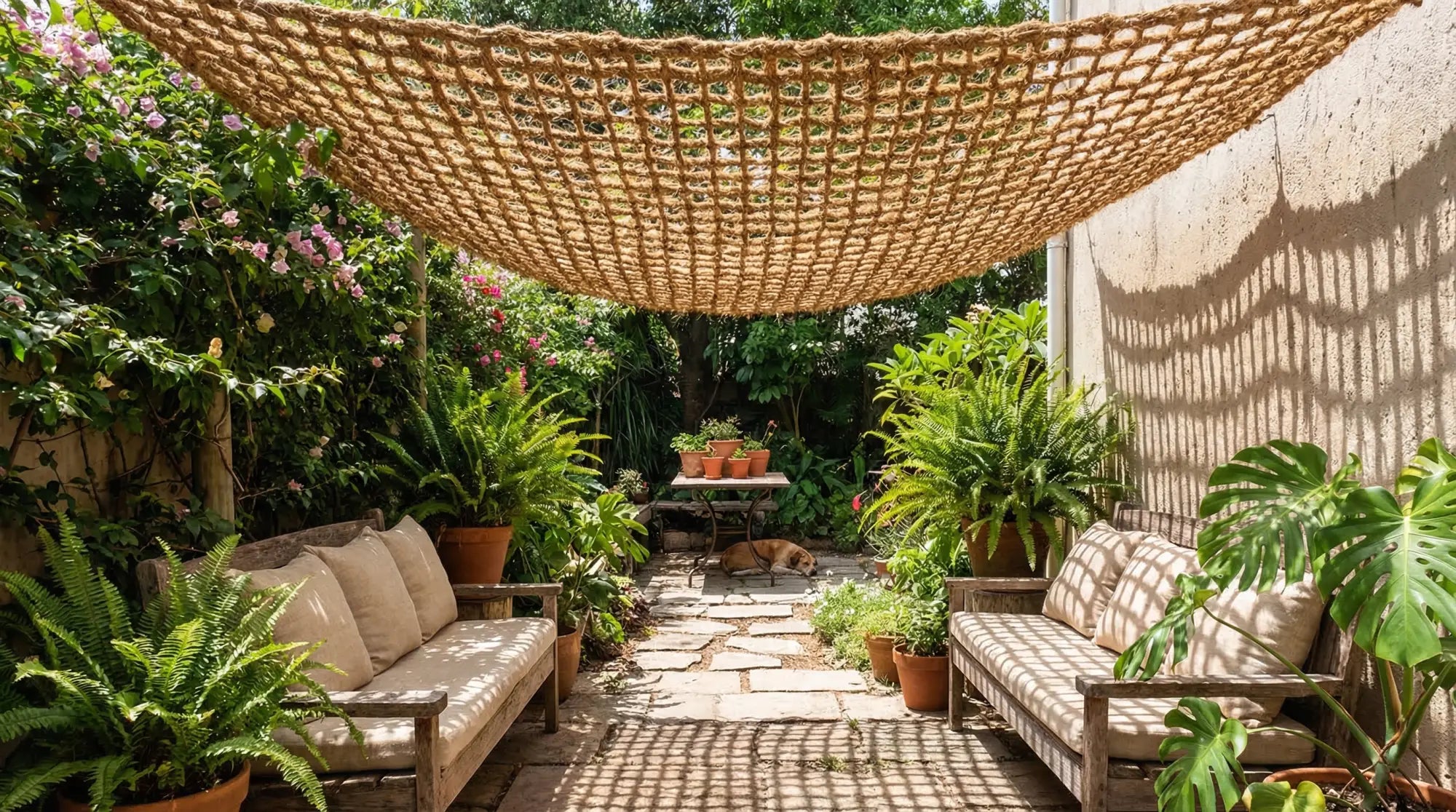
A coconut fiber awning can provide shade while adding a distinctive natural aesthetic to an outdoor structure. Coconut-based materials can be incorporated into awning concepts for residential properties, hospitality venues, gardens, and recreational areas.
The natural texture of coconut fiber can make an awning more visually interesting than a standard plain-colored synthetic covering. This can be particularly valuable for businesses that want their outdoor environment to reinforce a tropical or environmentally conscious brand identity.
For resorts and restaurants, a natural-looking awning can also contribute to the overall guest experience. Outdoor seating areas become more inviting when shade structures are integrated thoughtfully with landscaping, furniture, and surrounding architecture.
What Is Coconut Shade Cloth?
Coconut shade cloth refers to a shade material incorporating coconut fiber or coconut-derived natural materials into its construction. Depending on its design and application, it can be used to create shaded areas in gardens, hospitality spaces, outdoor seating areas, and recreational environments.
One of the key attractions is its natural visual character. Instead of creating a highly industrial appearance, coconut-based shade materials can blend naturally with vegetation, wooden structures, stone features, and tropical landscaping.
This makes them especially suitable for properties that emphasize natural design. The material can become part of the landscape rather than appearing as a separate technical structure.
Applications in Hospitality and Landscaping
Natural shade solutions can be particularly useful within the hospitality industry. Hotels, resorts, restaurants, cafés, and tourism facilities often need outdoor areas that are both functional and aesthetically appealing.
A coconut-based shade structure can help define an outdoor seating area while creating a stronger connection with the surrounding landscape. Poolside spaces, garden lounges, pathways, terraces, and recreational areas can all benefit from thoughtfully designed shade.
Residential properties can also incorporate natural shade materials into patios, balconies, gardens, and outdoor entertainment areas. The design possibilities can be adapted to different architectural styles and spatial requirements.
Combining Function and Tropical Design
One of the strongest advantages of natural shade materials is their ability to combine practical considerations with visual appeal. Outdoor structures need to provide appropriate coverage while also fitting the surrounding environment.
Coconut fiber has a distinctive appearance that naturally suits tropical architecture. When incorporated into a well-designed structure, it can help create an atmosphere associated with relaxation, nature, and coastal living.
This is particularly relevant in destinations where outdoor living is an important part of everyday life. Rather than treating shade as purely functional infrastructure, designers can use it as an architectural and landscaping feature.
Choosing the Right Shade Solution
Before installing a natural shade structure, property owners should consider several factors. The location, available space, desired coverage, structural support, weather conditions, and intended use should all be evaluated.
The quality of the natural fiber is also important. Properly processed material can provide a more consistent appearance and performance. Buyers should therefore work with suppliers who can explain their materials and manufacturing processes.
It is also useful to consider maintenance requirements. Outdoor materials are exposed to sunlight, rain, humidity, and wind, so the expected service conditions should be taken into account when selecting a shade product.
Creating More Sustainable Outdoor Spaces
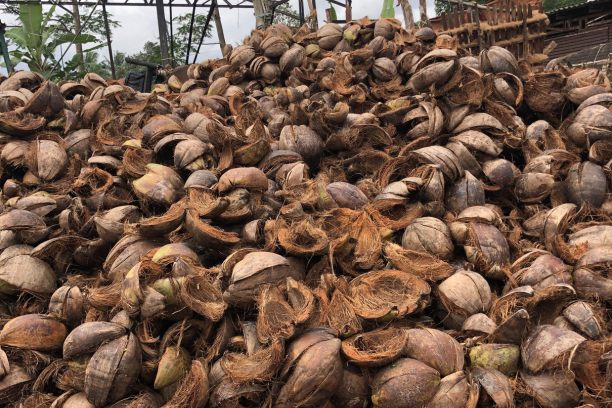
The use of coconut-based materials reflects a broader movement toward more responsible design. Coconut husks and fibers are renewable agricultural resources that can be transformed into useful products instead of being discarded.
Incorporating natural materials into outdoor architecture can also help create spaces that feel more connected to their environment. This approach is especially attractive for resorts, eco-conscious businesses, and homeowners who want their outdoor areas to have a more organic identity.
Whether used for a residential patio, a hospitality project, or a landscaped recreational space, natural shade materials can provide an appealing combination of design and functionality.
A Natural Approach to Outdoor Shade
Outdoor shade does not have to look purely functional. With the right materials and design, it can become an integral part of a property’s visual identity.
A well-planned coconut fiber awning can bring natural texture and tropical character to an outdoor space, while coconut shade cloth can provide another option for creating comfortable shaded areas. The most suitable solution will depend on the project’s specific requirements, design preferences, and environmental conditions.
For businesses and property owners exploring natural shade solutions, choosing quality materials and an experienced supplier is an important first step toward achieving a durable and attractive result.
For more information about our shade products and projects, please contact our team:
Visi Arlion International PVT LTD
WhatsApp: (+62)812 1233 3590 (Ms. Maria)
Email: [email protected]