How Professional Plumbers Improve Home Water Efficiency

Partnering with a licensed plumber reduces household water waste by thousands of gallons annually while lowering utility expenses. While many homeowners view plumbing professionals strictly as emergency repair technicians, their expertise in modern fixture technology, pressure regulation, and leak detection transforms inefficient homes into eco-friendly properties. Upgrading outdated infrastructure and optimizing water flow throughout your property protects local water supplies and prevents subtle leaks from quietly inflating your monthly bills.
Upgrading Outdated Fixtures with High-Efficiency Models
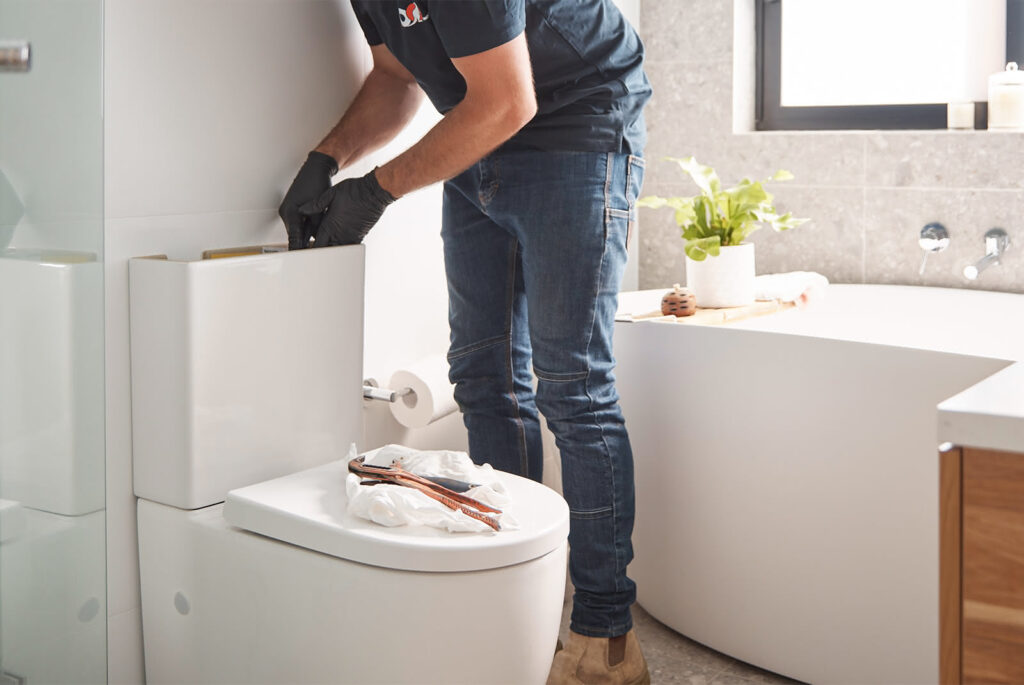
Replacing aging toilets, showerheads, and faucets with modern water-saving fixtures yields immediate reductions in household water consumption. Outdated toilets installed decades ago can consume upwards of three to five gallons per flush, whereas modern high-efficiency models require as little as 1.28 gallons without sacrificing flushing power. A typical household can save thousands of gallons of clean water over the course of a year with just one modification.
Professional plumbers evaluate your home’s water demands to recommend certified fixtures that balance conservation with optimal performance. Low-flow showerheads and aerated faucets mix air into the water stream, maintaining strong, satisfying water pressure while using up to 50% less volume. Expert installation ensures these fixtures fit seamlessly into existing piping, preventing pressure drops or premature wear on internal valves.
Detecting and Repairing Hidden Household Leaks
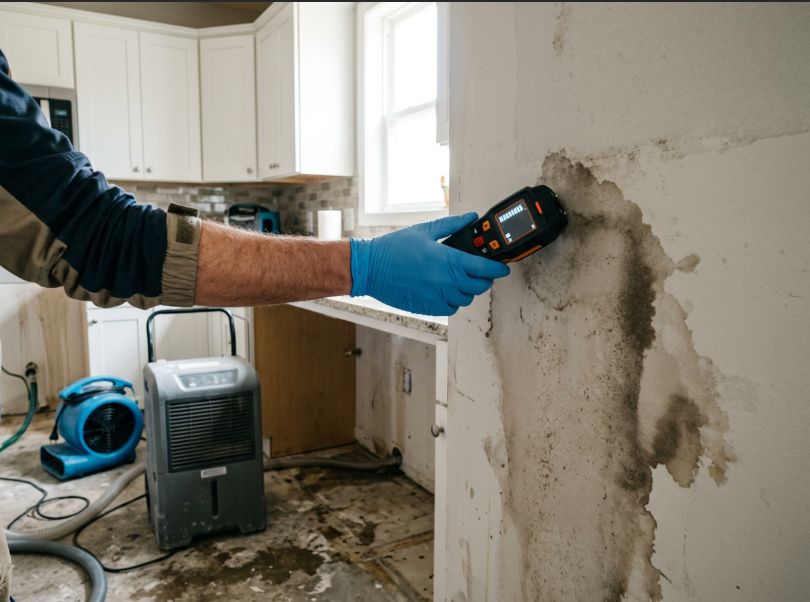
Locating concealed plumbing leaks preserves structural integrity and stops silent water loss before it damages your home. Small pinhole leaks in supply lines or slow toilet flapper drips often go unnoticed for months, steadily wasting hundreds of gallons of water every week. These hidden vulnerabilities erode cabinetry, compromise subflooring, and foster toxic mold growth long before visible pooling occurs.
Plumbing specialists utilize non-invasive diagnostic tools, such as acoustic leak detectors and thermal imaging cameras, to pinpoint leak sources behind drywall and beneath concrete slabs. Resolving these hidden issues immediately restores water pressure, protects internal building materials, and stops financial waste. Routine professional inspections ensure small pipe stresses are corrected long before they erupt into catastrophic bursts.
Optimizing Household Water Pressure for System Longevity
Installing or adjusting a pressure reducing valve balances household water flow to prevent unnecessary stress on pipes and appliances. Excessively high water pressure may feel luxurious in the shower, but it forces far more water through your taps than necessary and causes severe friction inside copper and PEX lines. High pressure also damages internal seals in washing machines, dishwashers, and water heaters, leading to premature appliance failure.
A professional plumber oxnard tests incoming municipal pressure and installs regulation equipment to keep flow within a safe, efficient range. Calibrating home water pressure protects fixture seals, stops noisy water hammer vibrations, and reduces overall volume output across every faucet. Protecting your plumbing network from high-pressure stress extends the lifespan of your entire water system.
Sustainable Infrastructure for Long-Term Value
Investing in professional plumbing updates transforms your home into a modern, resource-efficient living environment. Beyond the financial savings on monthly utility statements, conserving water reduces the strain on regional water treatment plants and local reservoirs. Proper system installation ensures your property operates smoothly without frequent breakdowns or emergency service calls.
Every installation will adhere to manufacturer specifications and local building requirements if you work with certified plumbing experts. Modern water-saving technologies allow you to enjoy high-performing showers and taps while actively minimizing your environmental footprint. Taking proactive steps to improve household water efficiency protects your budget, preserves property value, and secures vital resources for the future.