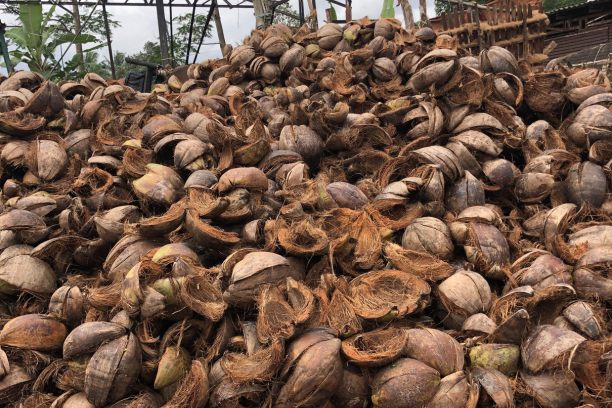
Cocopeat The Sustainable Growing Medium Transforming Modern Gardening

Cocopeat has rapidly emerged as a horticultural marvel, captivating growers with its remarkable versatility and eco-conscious appeal. Derived from coconut husk, often referred to as palm fiber, this organic medium bridges sustainability with performance. Its fibrous texture, combined with exceptional water retention capabilities, makes it a compelling alternative to traditional soil. Whether nurturing delicate seedlings or supporting robust ornamental plants, cocopeat offers a refined balance between aeration and moisture, creating an optimal root environment that encourages vigorous growth.
At its core, cocopeat is a byproduct of the coconut industry, once overlooked but now celebrated for its agronomic value. The fine particles, extracted from the husk, exhibit a spongy structure that can retain water up to eight times their weight. This hydrophilic characteristic ensures consistent hydration, reducing the frequency of irrigation. Yet, despite holding moisture efficiently, cocopeat maintains excellent porosity. Roots can breathe freely, minimizing the risk of rot and fostering a healthier rhizosphere.
Cocopeat Uses for Plants in Modern Cultivation
One of the most appealing aspects of cocopeat lies in its adaptability. Gardeners often explore various cocopeat uses for plants, ranging from seed germination to hydroponic systems. In nurseries, it serves as a gentle starting medium for young plants, providing a sterile and pathogen-free environment that enhances early growth stages. The uniform texture ensures that seeds are enveloped in consistent moisture, accelerating germination rates.
In container gardening, cocopeat acts as a superior soil conditioner. It prevents compaction, ensuring that plant roots can expand without restriction. For indoor plants, this medium helps maintain a balanced moisture level, particularly beneficial in controlled environments where overwatering can be detrimental. Additionally, cocopeat is frequently utilized in vertical gardens and green walls, where lightweight materials are essential for structural integrity.
Hydroponic enthusiasts also rely on cocopeat as a reliable growing substrate. Its inert nature allows for precise nutrient management, enabling cultivators to tailor feeding schedules according to plant requirements. This precision often translates into higher yields and healthier foliage, especially in high-value crops such as herbs and leafy greens.
How to Mix Cocopeat with Soil for Optimal Results
Understanding how to mix cocopeat with soil is essential to unlock its full potential. The process begins with proper hydration. Dry cocopeat, often compressed into blocks, must be soaked in water until it expands into a fluffy, soil-like consistency. This rehydration phase is crucial, as it activates the medium’s moisture-retention properties.
Once prepared, cocopeat can be blended with garden soil in varying ratios depending on plant needs. A common formulation involves mixing equal parts cocopeat, soil, and compost. This triadic composition creates a nutrient-rich and well-aerated medium that supports a wide range of plants. For succulents or plants requiring excellent drainage, a higher proportion of soil and sand may be introduced, while maintaining a smaller percentage of cocopeat.
The integration process should be thorough, ensuring even distribution throughout the mixture. This prevents localized compaction and promotes uniform root development. The resulting medium exhibits enhanced water retention without becoming waterlogged, striking an ideal balance that many traditional soils struggle to achieve.
Environmental Advantages of Cocopeat
Beyond its horticultural benefits, cocopeat stands as a symbol of sustainable innovation. Unlike peat moss, which is harvested from ecologically sensitive bogs, cocopeat utilizes agricultural waste, reducing environmental impact. This renewable resource contributes to a circular economy, where byproducts are repurposed into valuable inputs.
Moreover, cocopeat is biodegradable and can be reused multiple times with proper treatment. Its longevity makes it a cost-effective option for both amateur gardeners and commercial growers. As environmental awareness continues to shape agricultural practices, cocopeat offers a responsible alternative that aligns with modern sustainability goals.
Practical Tips for Using Cocopeat Effectively
To maximize the benefits of cocopeat, attention to detail is essential. Rinsing the medium before use can help remove excess salts, particularly in lower-quality variants. Buffering with calcium solutions may also be recommended to stabilize its chemical properties, ensuring compatibility with sensitive plants.
Regular monitoring of moisture levels is equally important. While cocopeat retains water efficiently, over-saturation should still be avoided. Combining it with organic compost enhances nutrient availability, compensating for its naturally low fertility. This synergy creates a thriving environment where plants can flourish with minimal intervention.
Conclusion
Cocopeat represents a harmonious blend of functionality and sustainability, redefining the way plants are cultivated in both traditional and modern settings. Its ability to retain moisture, improve aeration, and support diverse growing systems makes it an indispensable component in contemporary gardening. As more growers embrace eco-friendly solutions, cocopeat continues to gain prominence as a reliable and innovative growing medium.
WhatsApp : (+62)812 1233 3590 (Ms.Maria)
Email : [email protected]