Pine Bark Mulch for Roses: Cultivating Healthier Blooms Naturally
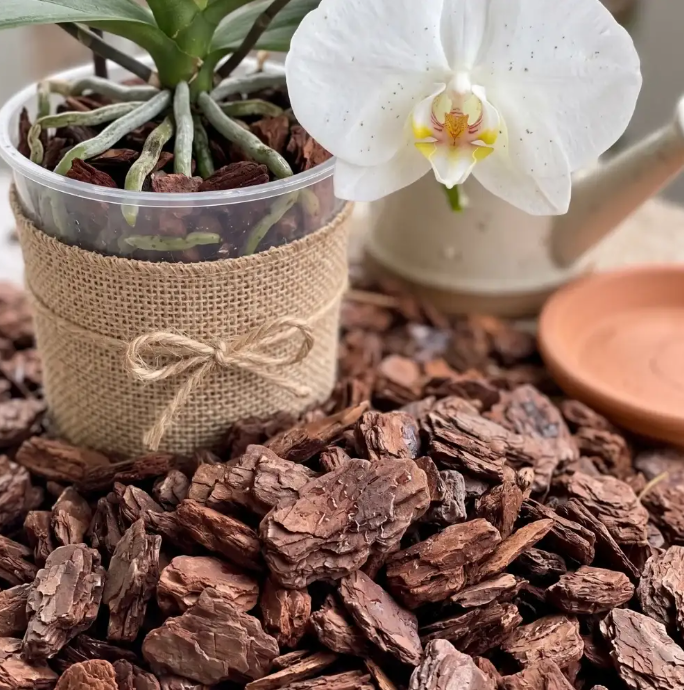
Can i use pine bark for orchids stands as a quietly transformative element in ornamental horticulture, offering both functional excellence and visual refinement. Harvested from the outer layers of pine trees, this organic medium introduces a textured, breathable layer that supports the intricate needs of rose cultivation. Its presence in the garden is subtle, yet its impact is profound.
Roses thrive when their roots are nestled in an environment that balances moisture retention with proper aeration. Pine bark mulch achieves this balance with remarkable finesse. It absorbs water efficiently while allowing excess moisture to drain away, preventing the dreaded conditions that often lead to root decay. The result is a resilient plant, capable of producing lush foliage and vibrant blooms with consistency.
Enhancing Soil Structure and Vitality
The influence of pine bark mulch extends beneath the surface. As it gradually decomposes, it integrates into the soil, enriching it with organic matter and improving its overall structure. This transformation enhances soil porosity, enabling roots to expand more freely and access nutrients with greater ease.
Short bursts of rainfall. Long periods of dryness. Changing conditions are inevitable. pine bark mulch for roses acts as a stabilizing agent, moderating these fluctuations and creating a more predictable growing environment. This stability is particularly valuable for roses, which respond best to consistency rather than extremes.
Additionally, pine bark contributes a mild acidity to the soil. This subtle shift aligns well with the preferences of most rose varieties, encouraging optimal nutrient uptake. Over time, this leads to stronger stems, richer foliage coloration, and more prolific flowering cycles.
Practical Application Techniques
Applying pine bark mulch requires thoughtful consideration. A layer of five to eight centimeters is generally ideal, providing sufficient coverage without suffocating the soil. Spread evenly around the base of each plant, leaving a small gap near the stem to prevent excess moisture buildup.
Preparation is key. The soil should be cleared of weeds and lightly watered before application. This ensures that the mulch locks in moisture effectively and reduces competition from invasive growth. As the mulch settles and begins to decompose, periodic replenishment will maintain its benefits and keep the garden looking pristine.
Consistency matters. A well-maintained mulch layer not only improves plant health but also elevates the overall aesthetic of the garden space.
Versatility Across Different Plants
While roses benefit immensely, pine bark mulch is far from a one-purpose material. Its adaptability invites experimentation across a variety of plants. A frequently asked question is, can i use pine bark for orchids, especially among indoor gardening enthusiasts. The answer is affirmative. Orchids, known for their epiphytic nature, require excellent drainage and airflow around their roots. Pine bark provides exactly that, creating a supportive medium that mimics their natural habitat.
In fruit cultivation, pine bark mulch for blueberries proves equally advantageous. Blueberries flourish in acidic conditions, and pine bark naturally complements this requirement. By incorporating it into the soil or using it as a top layer, gardeners can enhance both plant health and fruit yield. The synergy between plant preference and mulch composition creates an environment where growth feels almost effortless.
Environmental and Aesthetic Benefits
Beyond its horticultural advantages, pine bark mulch represents a sustainable choice. It is a byproduct of the timber industry, repurposed into a valuable gardening resource rather than discarded as waste. This aligns with environmentally conscious practices, allowing gardeners to contribute to sustainability without compromising on quality.
Visually, pine bark mulch introduces a rich, earthy tone that contrasts beautifully with the vibrant hues of rose petals. The garden transforms into a curated landscape, where each element complements the other. It is not merely functional. It is expressive.
Over time, the continued use of pine bark mulch improves soil health in a cumulative manner. Increased organic content leads to better water retention, enhanced microbial activity, and reduced dependency on synthetic fertilizers. The garden becomes more self-sustaining, thriving with minimal intervention.
Conclusion
Pine bark mulch offers a harmonious blend of practicality, sustainability, and elegance. Its ability to regulate moisture, enrich soil, and support diverse plant species makes it an indispensable tool for modern gardening. For roses, it provides a nurturing foundation that encourages continuous blooming and robust growth. For other plants, it opens the door to healthier, more resilient cultivation.
In every application, pine bark mulch proves that sometimes the simplest materials deliver the most extraordinary results,
WhatsApp : (+62) 819-2939-1980 (Ms.Mala)
Email : [email protected]
.