Complete Bathroom Renovation Checklist for Homeowners
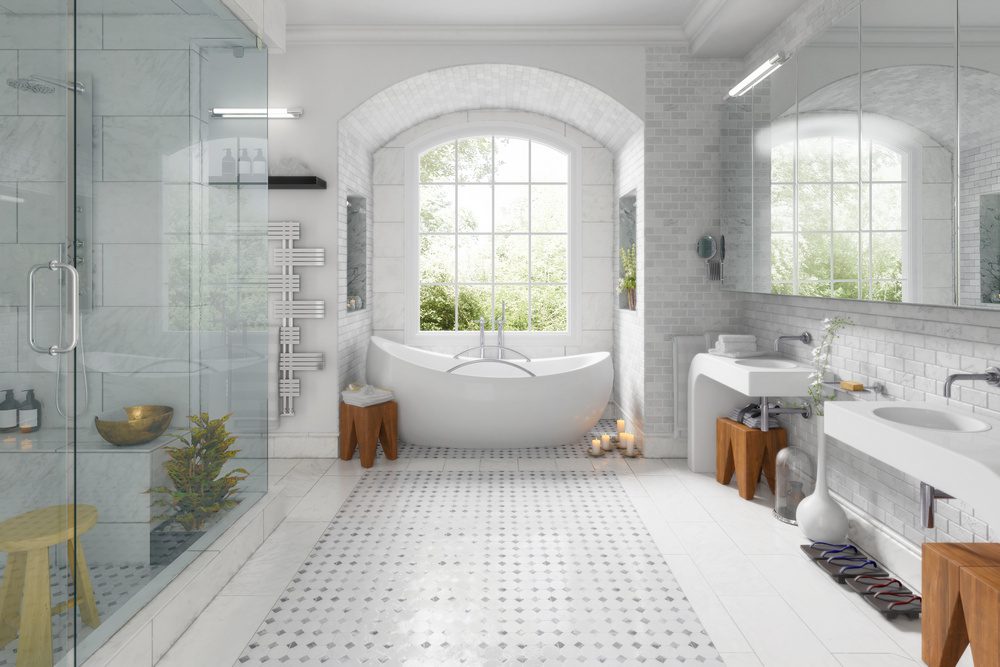
A bathroom renovation is one of the most rewarding home upgrades you can undertake. It can improve daily comfort, enhance functionality, and add significant value to your property. However, bathrooms are also one of the most complex areas of the home to renovate, involving plumbing, electrical work, waterproofing, ventilation, and strict compliance requirements. Without a clear plan, costs and delays can quickly escalate.
This complete bathroom renovation Gold Coast checklist for homeowners is designed to guide you through every stage of the process, helping you stay organised, make informed decisions, and avoid common renovation mistakes.
1. Define Your Renovation Goals
Before making any design or budget decisions, clarify why you are renovating your bathroom. Your goals will influence every choice you make throughout the project.
Ask yourself:
- Is the bathroom outdated, damaged, or no longer functional?
- Do you need better storage or improved layout?
- Is this a family bathroom, ensuite, or guest bathroom?
- Are you renovating for resale or long-term living?
- Do you want a low-maintenance space or a more luxurious feel?
Clear goals help you prioritise spending, avoid unnecessary upgrades, and maintain focus throughout the renovation.
2. Set a Realistic Budget
Budgeting is one of the most critical steps in a bathroom renovation. Costs can vary widely depending on size, finishes, and whether plumbing or electrical layouts are being changed.
Your budget should include:
- Demolition and waste removal
- Plumbing and electrical work
- Waterproofing
- Tiling and flooring
- Fixtures and fittings (toilet, vanity, shower, bath)
- Cabinetry and storage
- Labour costs
- Design fees (if applicable)
- A contingency allowance of 10–15%
Unexpected issues such as water damage, asbestos, or outdated plumbing are common, particularly in older homes, so having a buffer is essential.
3. Measure and Assess the Existing Space
Accurate measurements are the foundation of good bathroom design. Measure:
- Wall lengths and widths
- Ceiling height
- Door and window placements
- Existing plumbing and drainage locations
Also assess the condition of:
- Plumbing pipes and drainage
- Electrical wiring and switch locations
- Subfloor and wall structure
- Existing waterproofing and ventilation
Identifying potential issues early allows you to adjust your design or budget before construction begins.
4. Plan a Functional Bathroom Layout
A well-planned layout ensures the bathroom is comfortable and practical for everyday use. When designing the layout, consider:
- Clear walking space and accessibility
- Toilet placement for privacy
- Shower size and ease of entry
- Vanity bench space and storage needs
- Door swing or sliding door options
Where possible, keeping plumbing in its existing position can significantly reduce renovation costs and shorten the build timeline.
5. Choose Your Bathroom Design Style
Your design style will guide your selection of tiles, fixtures, colours, and finishes. Popular bathroom styles include:
- Modern or minimalist
- Contemporary
- Hamptons or coastal
- Scandinavian
- Classic or timeless
Choose a style that complements the rest of your home and avoids overly trend-driven elements, helping your bathroom remain visually appealing for years.
6. Select Fixtures and Fittings Early
Fixtures and fittings should be chosen early to avoid delays during construction. These include:
- Toilet suite
- Vanity and basin
- Tapware and mixers
- Shower screen and fittings
- Bath (if applicable)
- Mirrors, towel rails, and accessories
When selecting products, consider water efficiency ratings, durability, ease of maintenance, and warranty coverage, not just appearance.
7. Choose Tiles, Flooring, and Finishes
Tiles and finishes play a major role in both the look and longevity of your bathroom. When selecting tiles, consider:
- Slip resistance for floor tiles
- Tile size, layout, and grout width
- Grout colour and maintenance requirements
- Feature tiles for niches or feature walls
Finalise cabinetry finishes, benchtops, paint colours, and storage solutions early to ensure a cohesive design.
8. Confirm Waterproofing and Ventilation Requirements
Waterproofing is one of the most important aspects of any bathroom renovation. Poor waterproofing can lead to leaks, mould, and costly structural damage.
Ensure that:
- Waterproofing is completed by licensed professionals
- Materials comply with Australian Standards
- Waterproofing is inspected before tiling
- Compliance certificates are provided
Adequate ventilation, such as an exhaust fan, is also essential to control moisture and prevent long-term issues.
9. Organise Licensed Trades
Bathroom renovations require multiple licensed trades, including:
- Plumber
- Electrician
- Waterproofing specialist
- Tiler
- Builder or carpenter
Confirm that all trades are licensed, insured, and experienced in bathroom renovations. Clear communication between trades helps prevent scheduling issues and delays.
10. Prepare Your Home for Renovation
Before construction begins:
- Remove all personal items from the bathroom
- Set up an alternative bathroom if required
- Protect nearby floors, furniture, and fixtures
- Confirm access times, parking, and working hours
Preparation reduces stress and disruption during the renovation process.
11. Monitor Progress During Construction
Stay involved throughout the renovation to ensure work is completed as planned. During construction:
- Check progress against the agreed timeline
- Confirm materials and finishes match selections
- Inspect waterproofing before tiling begins
- Maintain regular communication with your contractor
Addressing concerns early helps avoid costly rework.
12. Conduct a Final Inspection and Handover
Before making final payment, complete a thorough inspection:
- Test all plumbing fixtures and drainage
- Check electrical fittings, lighting, and exhaust fans
- Inspect tile alignment, grout, and silicone finishes
- Ensure doors, drawers, and shower screens operate smoothly
- Review warranties and compliance certificates
Only sign off once you are satisfied with the quality of the work.
13. Maintain Your Renovated Bathroom Long-Term
Once your renovation is complete:
- Follow recommended cleaning and maintenance guidelines
- Keep warranties, invoices, and certificates organised
- Address minor issues promptly before they escalate
Ongoing maintenance ensures your bathroom remains functional, hygienic, and visually appealing for years to come.
Final Thoughts
A bathroom renovation can feel overwhelming, but with a clear checklist and careful planning, the process becomes far more manageable. By defining your goals, setting a realistic budget, selecting materials early, organising licensed trades, and maintaining your renovated space, you can create a bathroom that enhances both your home and your lifestyle.
Planning ahead, keeping communication open, and paying attention to detail will allow you to enjoy a smooth renovation process and a beautiful, functional bathroom that suits your needs for many years. Remember that a successful renovation is not just about aesthetics — it’s about creating a space that works for your daily routine, maximises storage and efficiency, and provides a safe, comfortable environment for everyone in your household. Investing time and thought into these aspects will ensure your bathroom remains a source of pride and enjoyment well into the future.