10 Creative Spaces: Redefining Modern Home Design for Today’s Lifestyle

Introduction & Background
In today’s fast-paced world, the way we live and work has evolved dramatically. Homes are no longer just places to rest, but dynamic spaces that adapt to our changing needs. Modern home design has shifted from traditional layouts to innovative, multifunctional areas that inspire creativity and productivity. This transformation reflects a deeper understanding of how our environments influence our daily lives, well-being, and even our mental health. As urban spaces become more compact and lifestyles grow more diverse, the demand for creative home designs has surged. People now seek environments that blend functionality with aesthetics, allowing them to express their personalities while meeting practical demands. This article explores ten creative spaces that are redefining modern home design, offering fresh perspectives on how to make living areas more engaging, efficient, and aligned with today’s lifestyle.
Concept & Overview
Creative spaces in modern home design prioritize flexibility, sustainability, and personalization. These areas are thoughtfully curated to serve multiple purposes, whether it’s a workspace that doubles as a guest room or a kitchen that transforms into a dining area. The core idea is to maximize the utility of every square foot while ensuring comfort and style. Designers and homeowners alike are embracing open-plan layouts, modular furniture, and smart technology to create adaptable environments. The goal is to foster a sense of harmony between form and function, where every element serves a purpose without compromising on beauty. This approach not only enhances the quality of life but also adds long-term value to the property. By integrating nature, technology, and personal interests, these spaces become more than just rooms. They become reflections of individual lifestyles and aspirations.
Key Features & Highlights
- Multifunctional Rooms: Spaces designed to serve dual purposes, such as a home office that converts into a guest bedroom. This is achieved through clever use of foldable furniture, sliding doors, and hidden storage solutions.
- Open-Plan Living: Breaking down walls to create fluid, interconnected areas that promote social interaction and a sense of spaciousness. This layout is ideal for families and those who enjoy hosting gatherings.
- Smart Home Integration: Incorporating technology like automated lighting, voice-controlled appliances, and energy-efficient systems to enhance convenience and sustainability. These features allow homeowners to control their environment with ease.
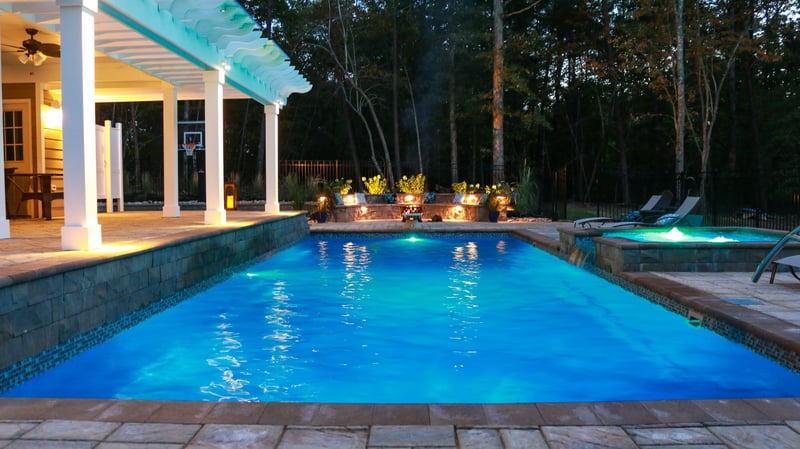
- Indoor-Outdoor Flow: Blurring the boundaries between interior and exterior spaces through large windows, sliding glass doors, and landscaped patios. This connection to nature improves mood and air quality while maximizing natural light.
- Sustainable Materials: Using eco-friendly materials such as reclaimed wood, bamboo, and recycled metal to reduce environmental impact and create healthier living spaces. These choices also add a unique, earthy aesthetic to the home.
- Personalized Zones: Designating areas that cater to specific hobbies, such as a reading nook, art studio, or music room. These spaces encourage creativity and provide a retreat from daily stress.
- Minimalist Aesthetics: Embracing clean lines, neutral colors, and clutter-free designs to create a calming and uncluttered environment. This approach emphasizes quality over quantity and fosters a sense of tranquility.
- Modular Furniture: Investing in furniture that can be reconfigured to suit different needs, such as expandable tables, stackable chairs, and storage ottomans. This flexibility is perfect for small or evolving spaces.
- Biophilic Design: Integrating natural elements like plants, water features, and natural textures to promote well-being and reduce stress. Studies show that exposure to nature within living spaces boosts mental health.
- Multisensory Experiences: Engaging all five senses through carefully chosen textures, scents, and sounds. This could include soft rugs, aromatic candles, or background music that enhances the ambiance.
Frequently Asked Questions / Pros & Cons
What are the benefits of multifunctional rooms in modern homes?
Multifunctional rooms offer unparalleled flexibility, allowing homeowners to adapt spaces to their changing needs. They maximize space efficiency, which is particularly valuable in urban areas where square footage is limited. Additionally, these rooms can increase the resale value of a home by appealing to a broader range of buyers. On a personal level, they foster creativity and organization, as each area can be tailored to specific activities without requiring separate rooms. However, the challenge lies in designing these spaces to ensure they remain functional and aesthetically pleasing. Poor planning can lead to clutter or a lack of cohesion, so thoughtful design is essential.
How does open-plan living impact social interactions?
Open-plan living fosters a sense of connection by allowing family members or guests to interact more freely. It eliminates barriers that can create isolation, making it easier to cook while chatting with others or keeping an eye on children at play. This layout also enhances natural light distribution, making spaces feel brighter and more inviting. On the downside, noise can travel more easily, which may be a concern in households with young children or those who prefer quiet environments. Privacy can also become an issue, as there are fewer enclosed spaces for solitude. To mitigate these drawbacks, designers often incorporate rugs, curtains, or room dividers to create subtle separation when needed.
Are smart home features worth the investment?
Smart home features offer significant convenience, energy savings, and enhanced security, making them a worthwhile investment for many homeowners. Automated systems can reduce utility bills by optimizing heating, cooling, and lighting. They also provide remote control over appliances, which is ideal for busy individuals. However, the initial cost of installation and potential technical issues can be deterrents. Additionally, some people may feel overwhelmed by the complexity of smart technology or concerned about data privacy. To address these concerns, it’s important to choose reputable brands and start with a few essential devices before expanding the system.
How can I incorporate biophilic design into a small apartment?
Biophilic design can be adapted to small spaces by focusing on vertical gardens, indoor plants, and natural light optimization. Wall-mounted planters or hanging gardens take up minimal floor space while bringing greenery into the room. Mirrors can be used to reflect light and create the illusion of a larger space. Natural materials like wood, stone, or rattan can be incorporated through furniture or decor. Even small touches, such as leafy prints on textiles or a nature-inspired color palette, can evoke a sense of connection to the outdoors. The key is to balance the elements to avoid overwhelming the space while still reaping the benefits of biophilic design.
What are the downsides of minimalist home design?
While minimalist design promotes a clean and clutter-free environment, it can sometimes feel sterile or impersonal if not executed thoughtfully. The lack of decorative elements may make a space feel cold or unwelcoming to some people. Additionally, minimalism often requires strict discipline to maintain, as any new items can quickly lead to clutter. It can also be challenging to personalize a space that adheres strictly to minimalist principles, as individuality is often expressed through decor and accessories. To avoid these pitfalls, many designers recommend incorporating a few statement pieces or warm textures to add character and comfort.
Practical Guidance & Solutions
Transforming your home into a creative, functional space starts with a clear vision and a step-by-step plan. Begin by assessing your lifestyle and identifying the activities that take place in your home. Do you work from home, entertain frequently, or need a quiet retreat? Once you understand your needs, prioritize the spaces that will have the most impact. For multifunctional rooms, invest in furniture that serves multiple purposes, such as a sofa bed or a dining table with extendable leaves. Consider modular storage solutions to keep clutter at bay while maintaining flexibility.
If you’re working with a small space, focus on maximizing natural light and using mirrors to create the illusion of depth. Vertical storage and foldable furniture are excellent ways to save floor space without sacrificing functionality. For open-plan layouts, use area rugs or furniture arrangements to define distinct zones without closing off the space entirely. This helps maintain a sense of flow while providing structure.
Incorporating smart home technology can be as simple as starting with a smart thermostat or lighting system. These devices are user-friendly and can be controlled via smartphone apps. To enhance biophilic design, even in tight quarters, opt for low-maintenance plants like succulents or snake plants. These require minimal care while adding a touch of nature to your environment. Finally, don’t underestimate the power of personal touches. Whether it’s a gallery wall, a collection of books, or a cozy throw blanket, these elements make a house feel like a home.
Conclusion
Redefining modern home design is about more than just aesthetics. It’s about creating environments that support the way we live today. The ten creative spaces highlighted in this article showcase the endless possibilities for transforming homes into dynamic, adaptable, and inspiring places. From multifunctional rooms to biophilic design, each concept offers a unique way to enhance comfort, functionality, and style. As our lives continue to evolve, so too will our homes, becoming ever more attuned to our needs and aspirations. By embracing these innovative ideas, you can craft a living space that not only meets your practical requirements but also reflects your personality and enriches your daily life. The future of home design is flexible, sustainable, and deeply personal, and it’s within reach for anyone willing to reimagine their space with creativity and intention.