Top 10 House Design Trends That Will Transform Your Space in 2024

Introduction & Background
As we move deeper into 2024, homeowners and designers alike are seeking innovative ways to reimagine living spaces that blend functionality, sustainability, and style. The past few years have reshaped how we view our homes, turning them into multi-purpose sanctuaries that cater to work, relaxation, and entertainment. This year’s design trends are not just about aesthetics but also about creating environments that adapt to modern lifestyles while prioritizing well-being and environmental responsibility. Whether you are planning a full renovation or simply looking to refresh a room, understanding these trends can help you make informed decisions that elevate your space. From biophilic design to smart home integrations, the top 10 house design trends of 2024 promise to transform the way you live.
Concept & Overview
House design trends in 2024 reflect a shift toward holistic living, where every element of a home contributes to comfort, efficiency, and harmony. The core principles guiding these trends include sustainability, flexibility, and technology integration. Homeowners are increasingly drawn to designs that minimize environmental impact while maximizing comfort and functionality. Multifunctional spaces are becoming essential, as hybrid work environments and smaller living quarters demand adaptable layouts. Additionally, wellness-focused design elements are taking center stage, with a strong emphasis on natural light, air quality, and organic materials. These overarching themes set the foundation for the trends that will define home design this year.
Key Features & Highlights
- Biophilic Design: Bringing nature indoors through large windows, indoor plants, and natural materials like wood and stone. This trend emphasizes the connection between humans and nature, promoting mental well-being and reducing stress.
- Sustainable Materials: Prioritizing eco-friendly options such as reclaimed wood, bamboo flooring, recycled glass countertops, and non-toxic paints. These materials not only reduce environmental impact but also create healthier living spaces.
- Multifunctional Rooms: Spaces that serve multiple purposes, such as home offices that double as guest bedrooms or living rooms with modular furniture. This trend addresses the need for flexibility in modern homes.
- Smart Home Technology: Integration of AI-powered devices, automated lighting, smart thermostats, and voice-controlled assistants to enhance convenience and energy efficiency. These technologies are becoming more accessible and user-friendly.
- Minimalist Aesthetics: Clean lines, neutral color palettes, and clutter-free environments that create a sense of calm and spaciousness. Minimalism focuses on quality over quantity, encouraging mindful consumption.
- Maximalist Accents: Bold colors, patterns, and textures that add personality and vibrancy to a space. This trend encourages self-expression through decor, creating visually stimulating environments.
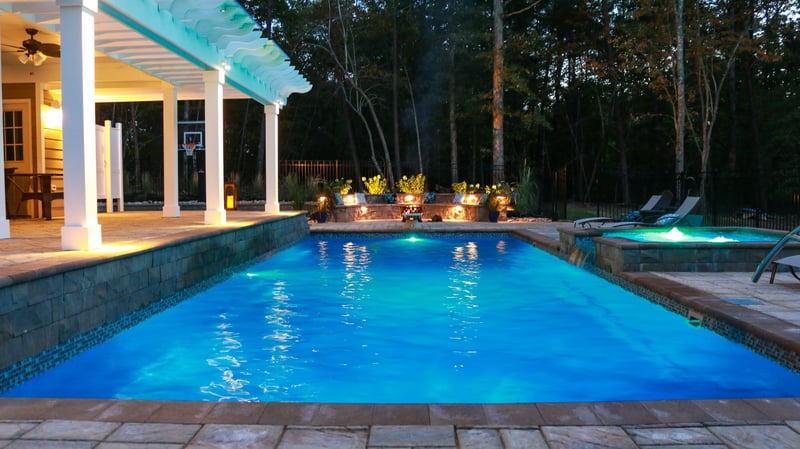
- Outdoor Living Expansion: Blurring the lines between indoor and outdoor spaces with features like covered patios, rooftop gardens, and retractable glass walls. This trend enhances livability and connection to nature.
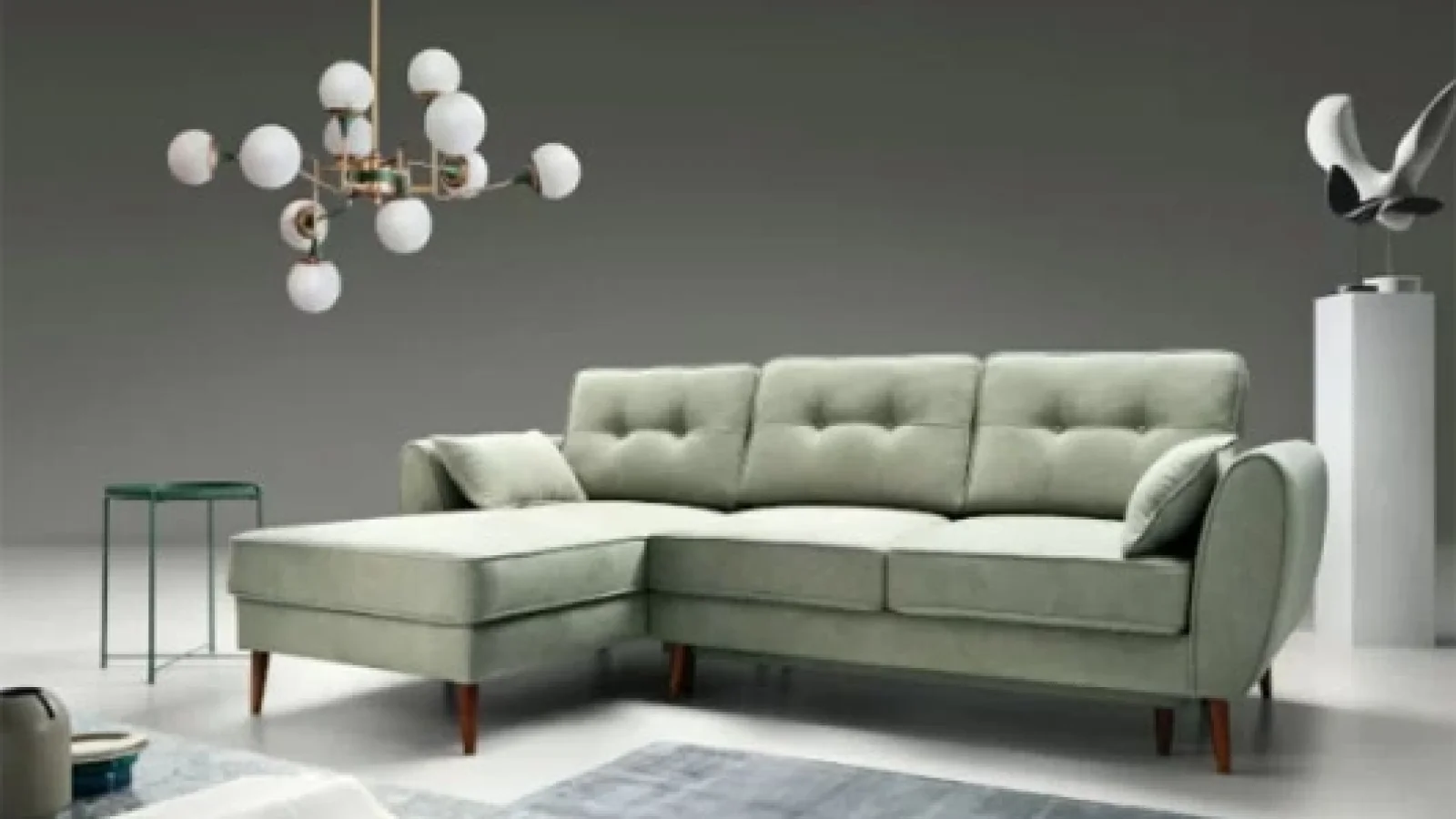
- Curved Architecture: Softened edges and rounded furniture designs that create a more inviting and fluid living experience. This trend contrasts with the sharp angles of modernist design, promoting relaxation and flow.
- Wellness-Focused Spaces: Dedicated areas for meditation, yoga, or spa-like bathrooms with features like saunas, steam showers, and aromatherapy stations. These spaces prioritize mental and physical health.
- Modular and Transformable Furniture: Pieces that can be easily reconfigured to suit different needs, such as expandable dining tables or sofa beds with storage. This trend supports adaptability in small or multifunctional spaces.
Frequently Asked Questions / Pros & Cons
What is the most popular house design trend in 2024?
One of the most popular trends is biophilic design, which focuses on integrating natural elements into living spaces. This includes large windows, indoor greenery, and natural materials like wood and stone, all of which contribute to improved mental well-being and a stronger connection to nature.
Are sustainable materials more expensive than traditional options?
While some sustainable materials may have a higher upfront cost, they often provide long-term savings through durability, energy efficiency, and lower maintenance requirements. For example, bamboo flooring is not only eco-friendly but also more resistant to wear and tear compared to traditional hardwood.
How can I incorporate multifunctional rooms into a small home?
Start by choosing furniture that serves multiple purposes, such as a Murphy bed that doubles as a sofa or a dining table with built-in storage. Additionally, consider using room dividers or sliding doors to create flexible zones that can be easily reconfigured as needed.
What are the benefits of smart home technology?
Smart home technology offers convenience, energy efficiency, and enhanced security. Devices like smart thermostats can learn your preferences and adjust temperatures automatically, while smart lighting allows you to control ambiance and reduce energy consumption. These technologies also provide remote monitoring and control, giving homeowners peace of mind.
Is minimalist design suitable for all types of homes?
Minimalist design can work in nearly any home, but it requires careful planning to avoid a sterile or unwelcoming feel. Focus on incorporating texture, warmth, and personal touches through decor and furnishings. Neutral color palettes can be balanced with natural materials and soft lighting to create a cozy atmosphere.
What are the downsides of maximalist design?
One potential downside of maximalist design is the risk of clutter and visual overwhelm. To avoid this, choose a cohesive color scheme and limit the number of patterns or textures in a single space. Additionally, maximalism can be more expensive to implement due to the focus on bold, high-quality pieces.
How can I make my outdoor space feel like an extension of my home?
To blur the lines between indoor and outdoor spaces, use consistent flooring materials, such as tiles or wood, to create a seamless transition. Add comfortable seating, outdoor rugs, and weather-resistant furniture to make the area inviting. Consider installing retractable glass walls or large sliding doors to enhance the connection between the two spaces.
What are the advantages of curved architecture?
Curved architecture promotes a sense of flow and relaxation by eliminating harsh lines and angles. It can make spaces feel more open and welcoming, while also improving acoustics and reducing visual clutter. Additionally, curved designs often align with ergonomic principles, creating more comfortable living environments.
How do wellness-focused spaces improve quality of life?
Wellness-focused spaces prioritize mental and physical health by providing dedicated areas for relaxation and self-care. Features like saunas, steam showers, and meditation nooks can reduce stress, improve sleep, and enhance overall well-being. These spaces also encourage mindful living, which is increasingly important in today’s fast-paced world.
Is modular furniture practical for long-term use?
Yes, modular furniture is designed to adapt to changing needs, making it a practical choice for long-term use. Pieces like expandable tables or convertible sofas can evolve with your lifestyle, reducing the need for frequent replacements. Additionally, modular furniture often includes storage solutions, helping to keep spaces organized and clutter-free.
Practical Guidance & Solutions
Implementing these design trends into your home can feel overwhelming, but breaking them down into actionable steps will make the process smoother. Start by identifying which trends align best with your lifestyle and budget. For example, if you work from home, prioritize creating a multifunctional workspace that also serves as a guest area. If sustainability is a priority, focus on incorporating eco-friendly materials and energy-efficient appliances.
When refreshing a room, begin with a neutral base and layer in trendy elements through accessories like throw pillows, rugs, or artwork. This approach allows you to experiment with trends without making permanent changes. For larger projects, such as renovations, consult with a designer or architect to ensure that structural changes align with your vision and local building codes.
Technology integration can be simplified by starting with a single smart device, such as a voice-controlled assistant or a smart thermostat. Gradually expand your system as you become more comfortable with the technology. Similarly, when incorporating biophilic design, begin with small changes like adding indoor plants or opening up curtains to maximize natural light.
For those with limited space, focus on multifunctional furniture and vertical storage solutions to maximize every inch of your home. If you prefer a minimalist aesthetic, declutter regularly and invest in storage options that keep surfaces clean and organized. Remember, the goal is to create a space that feels both stylish and functional, tailored to your unique needs and preferences.
Conclusion
The top 10 house design trends of 2024 offer a roadmap to transforming your home into a space that is not only beautiful but also functional, sustainable, and tailored to your lifestyle. From the calming influence of biophilic design to the convenience of smart home technology, these trends reflect a deeper understanding of how our living spaces can enhance our daily lives. Whether you embrace minimalism, maximalism, or a blend of both, the key is to create a home that resonates with your values and meets your evolving needs. As you embark on your design journey, remember that trends are merely starting points, your personal touch is what will truly make your space feel like home. By thoughtfully incorporating these ideas, you can craft a living environment that is both inspiring and deeply satisfying.