Transforming Your Home: Unleashing Creative House Renovation Ideas

Introduction & Background
Renovating your home is more than just a practical upgrade. It is an opportunity to reimagine your living space and reflect your personal style while enhancing comfort and functionality. With the rise of sustainable living and smart home technology, today’s renovations blend creativity with innovation. Whether you are moving into a new home or eager to refresh an existing one, thoughtful renovation ideas can transform your space into a sanctuary tailored to your lifestyle.
Home renovations have evolved beyond simple repairs or cosmetic changes. They now represent a holistic approach to living, where every detail contributes to a healthier, more efficient, and aesthetically pleasing environment. From open-concept layouts to energy-efficient upgrades, the possibilities are endless. This transformation not only increases your home’s value but also improves daily living experiences for you and your family.
Concept & Overview
House renovation involves remodeling or altering the structure, layout, or aesthetic elements of a home to meet new needs or preferences. Unlike a simple update, a renovation often includes structural changes, material replacements, and design enhancements that redefine the space. The goal is to create a cohesive environment that aligns with modern living standards while preserving the home’s original character where desired.
The renovation process typically begins with a comprehensive assessment of the current space. Homeowners must consider factors such as functionality, budget, and lifestyle requirements before finalizing their vision. Modern renovations prioritize sustainability, with materials and systems chosen for their durability and environmental impact. Whether incorporating natural light, optimizing storage, or integrating smart technology, the renovation journey is as much about innovation as it is about artistry.
Key Features & Highlights
- Open-Concept Living: Removing walls to create fluid spaces that encourage interaction and light flow. This popular trend enhances connectivity between the kitchen, dining, and living areas.
- Sustainable Materials: Using eco-friendly options like reclaimed wood, bamboo flooring, and recycled glass countertops to reduce environmental impact while adding unique textures.
- Smart Home Integration: Installing automated systems for lighting, temperature control, and security to improve convenience and energy efficiency.
- Maximized Natural Light: Enlarging windows, adding skylights, or using reflective surfaces to brighten interiors and create a more inviting atmosphere.
- Multi-Functional Spaces: Designing rooms that serve multiple purposes, such as a home office that converts into a guest bedroom or a kitchen island doubling as a dining table.
- Bold Color Palettes: Experimenting with deep hues, earthy tones, or monochromatic schemes to infuse personality and warmth into each room.
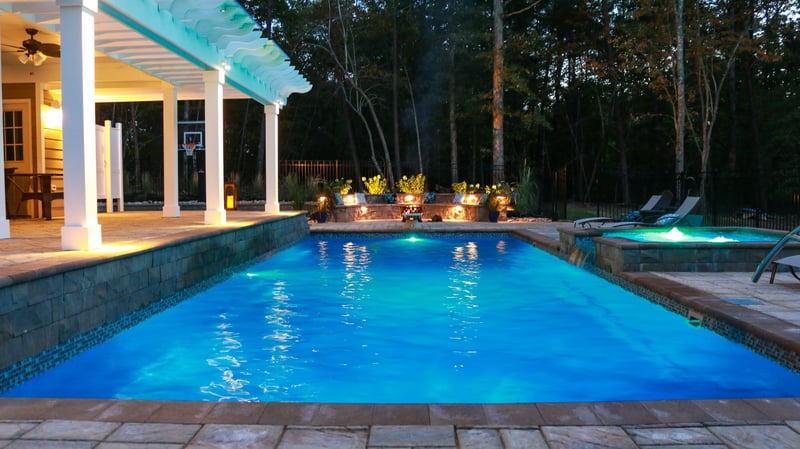
- Outdoor Living Extensions: Creating seamless transitions between indoor and outdoor areas with patios, decks, or landscaped gardens that extend usable space.
Frequently Asked Questions / Pros & Cons
What are the first steps in planning a home renovation?
Start by defining your goals. Ask yourself what you want to achieve. Do you need more space? Better functionality? A modern look? Once you have a clear vision, set a realistic budget and timeline. Consulting with architects or designers can help refine your ideas and identify potential challenges early on.
How much should I budget for a mid-range home renovation?
A mid-range renovation typically costs between $15,000 and $50,000, depending on the scope and location. This budget usually covers kitchen updates, bathroom upgrades, flooring replacement, and minor structural changes. Always allocate an additional 10, 20 percent for unexpected expenses to avoid financial stress during the project.
Are open-concept layouts suitable for all homes?
Open-concept layouts work well in most homes, but they require careful planning. Removing load-bearing walls, for example, may need professional assessment and structural support. Consider sound and light distribution, as open spaces can sometimes feel echoey or drafty without proper acoustic and thermal treatments.
Can I renovate my home without a professional contractor?
While DIY renovations are possible for minor projects like painting or installing shelves, major renovations involving plumbing, electrical work, or structural changes often require licensed professionals. Always check local regulations, as some projects may need permits. Mixing DIY with professional help can be a cost-effective approach for savvy homeowners.
What are the benefits of using sustainable materials?
Sustainable materials reduce your carbon footprint and improve indoor air quality. They are often more durable, requiring less maintenance over time. Additionally, many eco-friendly options are stylish and unique, adding character to your home while supporting environmental conservation efforts.
What are the drawbacks of a full-home renovation?
Full-home renovations can be disruptive, time-consuming, and expensive. Living through construction noise and dust can be stressful, and projects often take longer than expected due to supply chain delays or unforeseen issues. It is important to weigh these factors against the long-term benefits before committing to a large-scale renovation.
Practical Guidance & Solutions
Planning a renovation requires a balance between creativity and practicality. Start by creating a detailed checklist of your needs and wants. Prioritize projects that offer the highest return on investment, such as kitchen and bathroom updates, which often recoup a significant portion of their cost when selling the home.
For open-concept designs, consider hiring a structural engineer to assess load-bearing walls. Use area rugs, curtains, and furniture placement to define zones within the open space and improve acoustics. When selecting materials, choose those with high durability ratings to ensure longevity, especially in high-traffic areas.
Budget management is crucial. Track expenses meticulously and avoid impulse purchases. Consider phasing your renovation if funding is limited, tackling one room at a time. This approach allows you to spread costs over months or years while still making steady progress.
If sustainability is a priority, research local suppliers for recycled or locally sourced materials. Energy-efficient appliances and LED lighting can reduce utility bills over time. Don’t forget to explore rebates or tax credits for green renovations, which can offset initial costs.
Finally, maintain open communication with your contractor or design team throughout the project. Regular site visits and progress updates help prevent misunderstandings and ensure the final result meets your expectations. Keep a project journal to document decisions, changes, and inspirations for future reference.
Conclusion
Transforming your home through renovation is a rewarding journey that blends imagination with practicality. By embracing innovative ideas and thoughtful planning, you can create a space that not only meets your needs but also inspires and rejuvenates you every day. Whether you are drawn to sleek modern designs, cozy traditional aesthetics, or sustainable living solutions, the key is to stay true to your vision while being open to the unexpected joys of the process.
A well-executed renovation enhances your quality of life, increases your property’s value, and leaves a lasting legacy for future generations. So take that first step, gather your ideas, and let your home reflect the best version of your lifestyle. With creativity, patience, and the right guidance, your dream home is within reach.